


Enicepatide:Promising New GLP-1/GIP Treatment for Obesity and Type 2 Diabetes.The field of GLP-1 medications continues to evolve, with researchers investigating new treatments designed to improve both weight management and blood glucose control. One emerging candidate is enicepatide, also known as CT-388 or RO7795068.
Enicepatide is an investigational, once-weekly injectable GLP-1/GIP receptor agonist being developed by Roche for obesity, overweight, type 2 diabetes, and potentially other cardiometabolic indications.
Recent Phase II results reported by Roche provide new information about enicepatide weight loss, blood glucose control, and tolerability. However, enicepatide remains an investigational medicine, and further Phase III research is needed to establish its efficacy and safety.
What Is Enicepatide?
Enicepatide is a dual GLP-1/GIP receptor agonist designed to activate two hormone pathways involved in appetite, metabolism, and blood glucose regulation.
GLP-1 stands for glucagon-like peptide-1, while GIP stands for glucose-dependent insulinotropic polypeptide. Both are incretin hormones involved in the body’s response to food.
By targeting both receptors, enicepatide is being investigated as a potential treatment for obesity and type 2 diabetes.
How Does Enicepatide Work?
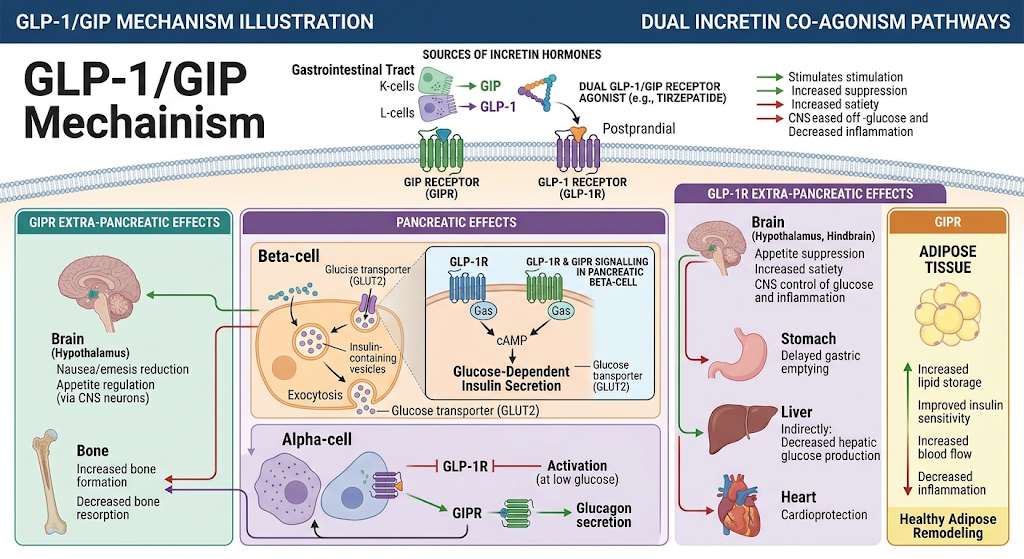
Enicepatide is designed to activate both GLP-1 and GIP receptors. These signaling pathways are involved in metabolic processes that include appetite regulation and glucose control.
Roche describes enicepatide as a “dually biased” GLP-1/GIP receptor agonist. The treatment is administered as a once-weekly subcutaneous injection.
Why Are Dual GLP-1/GIP Treatments Being Studied?
Researchers are increasingly investigating therapies that act on more than one metabolic pathway.
Instead of targeting the GLP-1 receptor alone, dual receptor agonists such as enicepatide target both GLP-1 and GIP receptors. The aim is to investigate whether this approach can provide meaningful improvements in weight management and glycemic control.
Enicepatide Phase 2 Results in Type 2 Diabetes
Roche announced topline Enicepatide Phase 2 results from the CT-388-104 clinical trial in September 2026.
The randomized, double-blind, placebo-controlled study included 447 adults with type 2 diabetes and overweight or obesity and evaluated once-weekly enicepatide over 48 weeks.
At the highest titrated dose of 24 mg, Roche reported a mean HbA1c reduction of 2.65 percentage points from a baseline of 8.1% after 48 weeks.
The company also reported that:
- 90% of participants in the 24 mg group achieved HbA1c of 6.5% or lower.
- 62% achieved HbA1c below 5.7%.
- Mean body-weight reduction reached 15.5% at 48 weeks.

These findings suggest that enicepatide may have effects on both body weight and glycemic control, but the results should be interpreted in the context of the study design and the ongoing clinical-development program.
Enicepatide Weight Loss Results

Enicepatide weight loss is one of the major areas being evaluated in its clinical-development program.
In the Phase II study involving participants with type 2 diabetes and overweight or obesity, Roche reported a 15.5% mean reduction in body weight at 48 weeks among participants receiving the highest 24 mg dose.
Roche separately reported Phase II results from a study in people with overweight or obesity without diabetes. In that study, the company reported substantial weight reductions with the highest enicepatide dose.
These are different study populations, so their results should not be treated as directly interchangeable.
Enicepatide and HbA1c Reduction
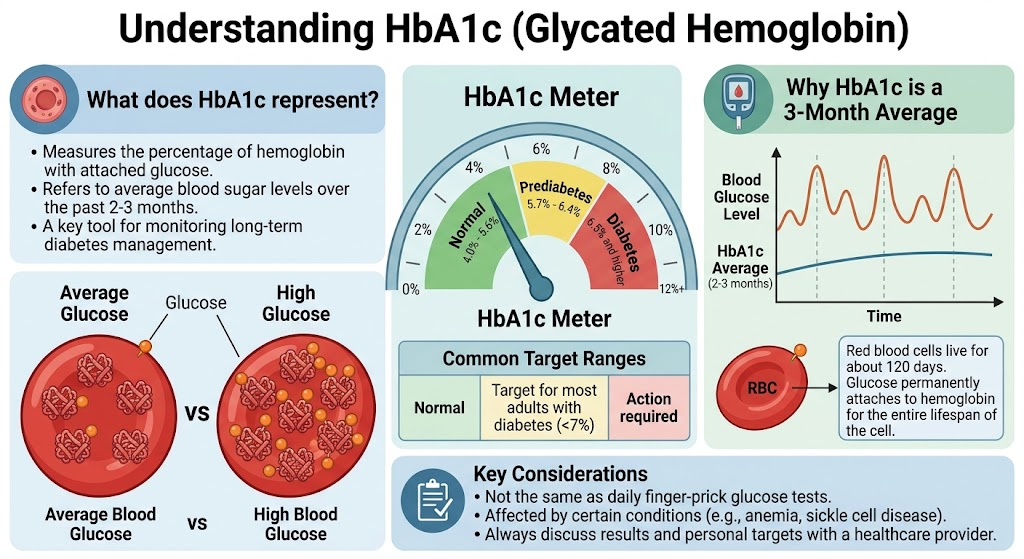
The Phase II diabetes findings also make enicepatide and HbA1c reduction an important area of interest.
HbA1c reflects average blood glucose over approximately the previous two to three months and is commonly used to monitor diabetes.
According to Roche’s topline results, the 24 mg enicepatide group experienced an average HbA1c reduction of 2.65 percentage points at week 48.
Among participants in that group, 90% reached an HbA1c of 6.5% or below, while 62% reached below 5.7%.
Why the Phase II Results Need Careful Interpretation
The September 2026 findings are topline results reported by Roche, the company developing enicepatide.
This distinction is important. Company-reported topline findings should not automatically be treated as equivalent to a complete independently peer-reviewed publication containing the full dataset and detailed analysis.
Further publication and Phase III evidence can provide a more complete picture of the treatment’s benefits, limitations, and safety profile.
Enicepatide Side Effects and Safety
Understanding enicepatide side effects is another important part of evaluating this investigational therapy.
In Roche’s Phase II diabetes announcement, the most commonly reported adverse events were predominantly gastrointestinal and generally described as mild to moderate.
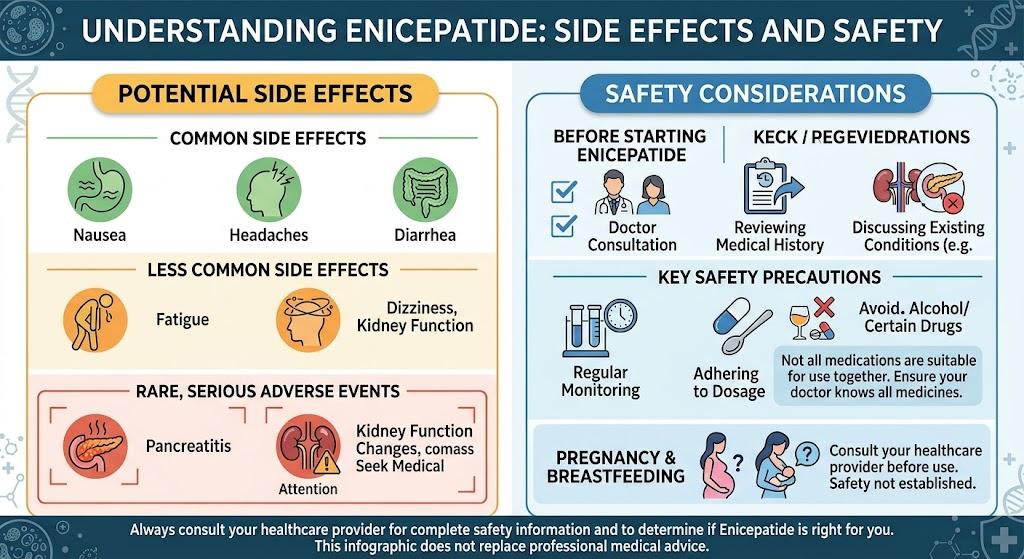
Roche reported that 2% of participants in the enicepatide groups discontinued treatment because of adverse events, compared with 0% in the placebo group.
What Do We Know About Enicepatide Safety?
The available Phase II findings provide useful preliminary safety information, but they do not establish the complete long-term safety profile of enicepatide.
Larger and longer Enicepatide Phase 3 trials will help researchers better characterize adverse events and assess how the drug performs across broader patient populations.
Enicepatide Phase 3 Clinical Trials
Enicepatide has entered Phase III development.
One Phase III study is evaluating enicepatide in adults with obesity or overweight without type 2 diabetes, while another is studying adults with obesity or overweight and type 2 diabetes.

These studies are designed to evaluate the efficacy and safety of once-weekly enicepatide at multiple doses compared with placebo.
Enicepatide for Obesity Without Type 2 Diabetes
The Phase III study known as Enith1 is investigating enicepatide for weight management in adults with obesity or overweight without type 2 diabetes.
The study is designed to provide larger-scale evidence about enicepatide for obesity, including its effects on body weight and its safety profile.
Enicepatide for Obesity and Type 2 Diabetes
Another Phase III trial, Enith2, is evaluating enicepatide in adults with obesity or overweight who also have type 2 diabetes.
This study will provide further evidence about how enicepatide may affect weight management in people who are simultaneously managing type 2 diabetes.
Additional Enicepatide Research
Roche has also announced plans for additional Phase III development focused on glycemic control and cardiovascular outcomes.
These studies will be particularly important because type 2 diabetes and obesity are closely associated with increased cardiovascular risk.
What Makes Enicepatide an Important New GLP-1 Development?
Enicepatide is part of a broader shift in metabolic drug development toward treatments that target multiple hormone pathways.
Its dual GLP-1/GIP receptor mechanism and Phase II findings have made it an important investigational treatment to follow.
However, the key word remains investigational.
Enicepatide’s Phase II results do not establish that it is superior to currently available treatments, nor do they establish its long-term benefits and risks. Phase III trials and fuller publication of clinical results will provide substantially more evidence.
The Future of Enicepatide
The transition of enicepatide into Phase 3 trials marks an important stage in its clinical development.
The next phase of research should provide more information about its effectiveness for obesity, overweight, and type 2 diabetes, as well as its safety and tolerability in larger populations.
Additional planned research into glycemic control and cardiovascular outcomes could also help clarify where enicepatide might eventually fit within the rapidly changing field of metabolic treatments.
For now, enicepatide remains an investigational GLP-1/GIP receptor agonist, and its ongoing Phase III program will be critical in determining its potential role in obesity and diabetes treatment.
Frequently Asked Questions About Enicepatide
What is enicepatide?
Enicepatide, previously known as CT-388 and also identified as RO7795068, is an investigational once-weekly dual GLP-1/GIP receptor agonist being developed by Roche for metabolic conditions including obesity and type 2 diabetes.
Does enicepatide cause weight loss?
In Roche’s Phase II study involving adults with type 2 diabetes and overweight or obesity, participants receiving the highest 24 mg dose had a reported mean body-weight reduction of 15.5% at 48 weeks. These were clinical-trial results and should not be interpreted as a prediction of an individual’s response.
What are the side effects of enicepatide?
In Roche’s reported Phase II diabetes results, the most common adverse events were predominantly gastrointestinal. More extensive Phase III evidence is needed to characterize its overall and long-term safety profile.
Is enicepatide a GLP-1 drug?
Enicepatide acts on the GLP-1 receptor, but it is more specifically described as a dual GLP-1/GIP receptor agonist because it targets both GLP-1 and GIP receptors.
Is enicepatide in Phase 3?
Yes. Phase III studies are underway evaluating enicepatide in people with obesity or overweight both with and without type 2 diabetes.
Is enicepatide approved?
Enicepatide remains an investigational treatment in clinical development. The current evidence discussed here comes from clinical trials rather than routine approved clinical use.





Leave a Reply