

Essential Pathways to American Healthcare Careers
The American healthcare sector provides a diverse array of professional opportunities tailored to varying educational backgrounds, work environment preferences, and personal interests. Individuals passionate about direct clinical care can pursue roles.
The video describes Essential Pathways to American Healthcare Careers.
Essential Pathways to American Healthcare Careers
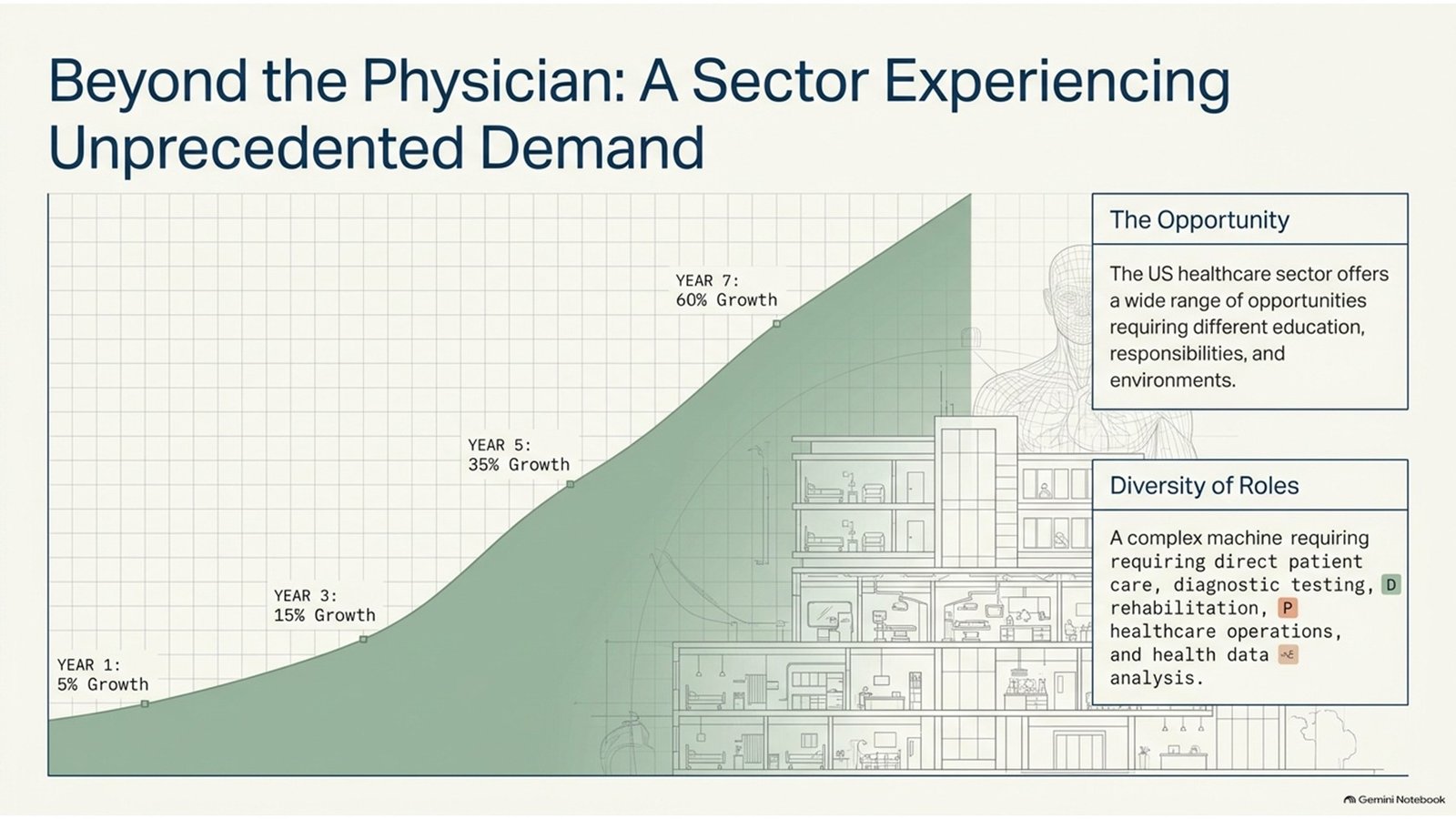
For aspiring healthcare professionals, choosing a career involves more than selecting a job title. It requires understanding the education and training involved, the responsibilities of the role, the level of patient interaction, and the professional requirements for working in the United States.According to the U.S. Bureau of Labor Statistics (BLS), healthcare occupations are projected to generate approximately 1.9 million openings annually, on average, between 2025 and 2035. These openings reflect both employment growth and the need to replace workers who leave their occupations.Bureau of Labor StatisticsWhether you are a high school graduate exploring your first career, a college student considering a healthcare degree, or a working professional planning a transition, understanding the major pathways can help you make an informed decision.1. Clinical Care: Working Directly With Patients
1. Clinical Care: Working Directly With Patients
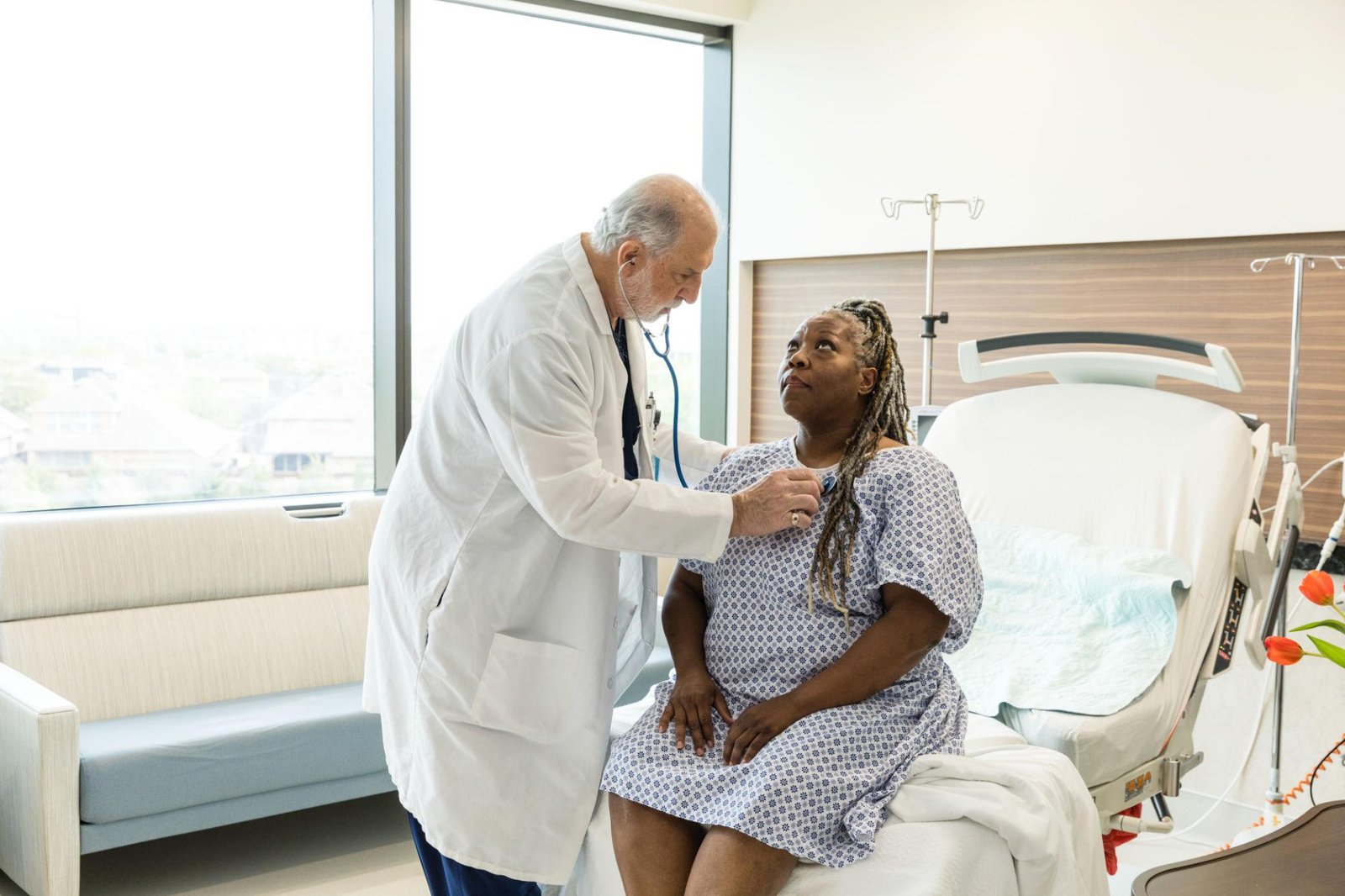
Clinical careers are suited to individuals who want to work directly with patients, assess health concerns, deliver treatments, and support recovery. These roles require varying levels of education, clinical training, and professional licensure.Physicians and SurgeonsPhysicians diagnose illnesses, develop treatment plans, prescribe medications, and help patients manage acute and chronic conditions. Surgeons perform operations to treat injuries, diseases, and other medical problems.The typical pathway involves:Completing a bachelor’s degree or the required undergraduate coursework.Earning a medical degree, such as an MD or DO, from an appropriate medical school.Completing postgraduate residency training.Meeting applicable examinations and state medical licensing requirements.Some physicians pursue additional fellowship training to specialize in fields such as cardiology, oncology, pediatrics, or neurology.The physician pathway involves substantial academic and clinical training. It may suit individuals who enjoy scientific problem-solving, complex decision-making, and long-term responsibility for patient care.Registered NursesRegistered nurses (RNs) provide and coordinate patient care, monitor health conditions, administer treatments, and educate patients and families. They work in settings ranging from hospitals and outpatient clinics to schools, nursing facilities, and home healthcare.Common educational pathways include an Associate Degree in Nursing (ADN), a Bachelor of Science in Nursing (BSN), or a qualifying diploma program. Graduates must meet state licensing requirements, including passing the required qualifying examination. Some employers, particularly hospitals, may prefer or require a BSN.Bureau of Labor StatisticsNursing also offers opportunities to specialize in areas such as emergency care, intensive care, pediatrics, oncology, and community health. With additional education and experience, nurses may pursue advanced practice, education, research, or leadership roles.Physician AssistantsPhysician assistants (PAs) examine patients, help diagnose medical conditions, develop treatment plans, and provide care in collaboration with physicians and other healthcare professionals.The usual pathway includes a bachelor’s degree, relevant prerequisite coursework and patient-care experience, followed by an accredited PA education program. Most programs award a master’s degree, and all states require PAs to be licensed.Bureau of Labor StatisticsPAs work across numerous specialties, including family medicine, emergency medicine, surgery, and psychiatry. The role may appeal to individuals who want a broad clinical education and the opportunity to work in different areas of medicine.Therapists and Rehabilitation ProfessionalsRehabilitation careers focus on helping people recover function, manage disabilities, reduce pain, and improve their quality of life.Major pathways include:Physical therapists: Help patients improve movement, strength, balance, and mobility following injury, illness, or surgery.Occupational therapists: Help people develop or regain the skills needed for daily activities, work, and independent living.Speech-language pathologists: Assess and treat communication and swallowing disorders.Respiratory therapists: Support patients experiencing breathing difficulties and other cardiopulmonary conditions.Educational requirements vary by profession. For example, physical therapists typically need a doctoral degree, occupational therapists generally need a master’s degree, and speech-language pathologists typically need a master’s degree. Respiratory therapists commonly enter through an associate degree. Licensing or other credentials may be required, depending on the occupation and state.Bureau of Labor Statistics

2. Diagnostic and Technical Careers: Supporting Accurate Healthcare
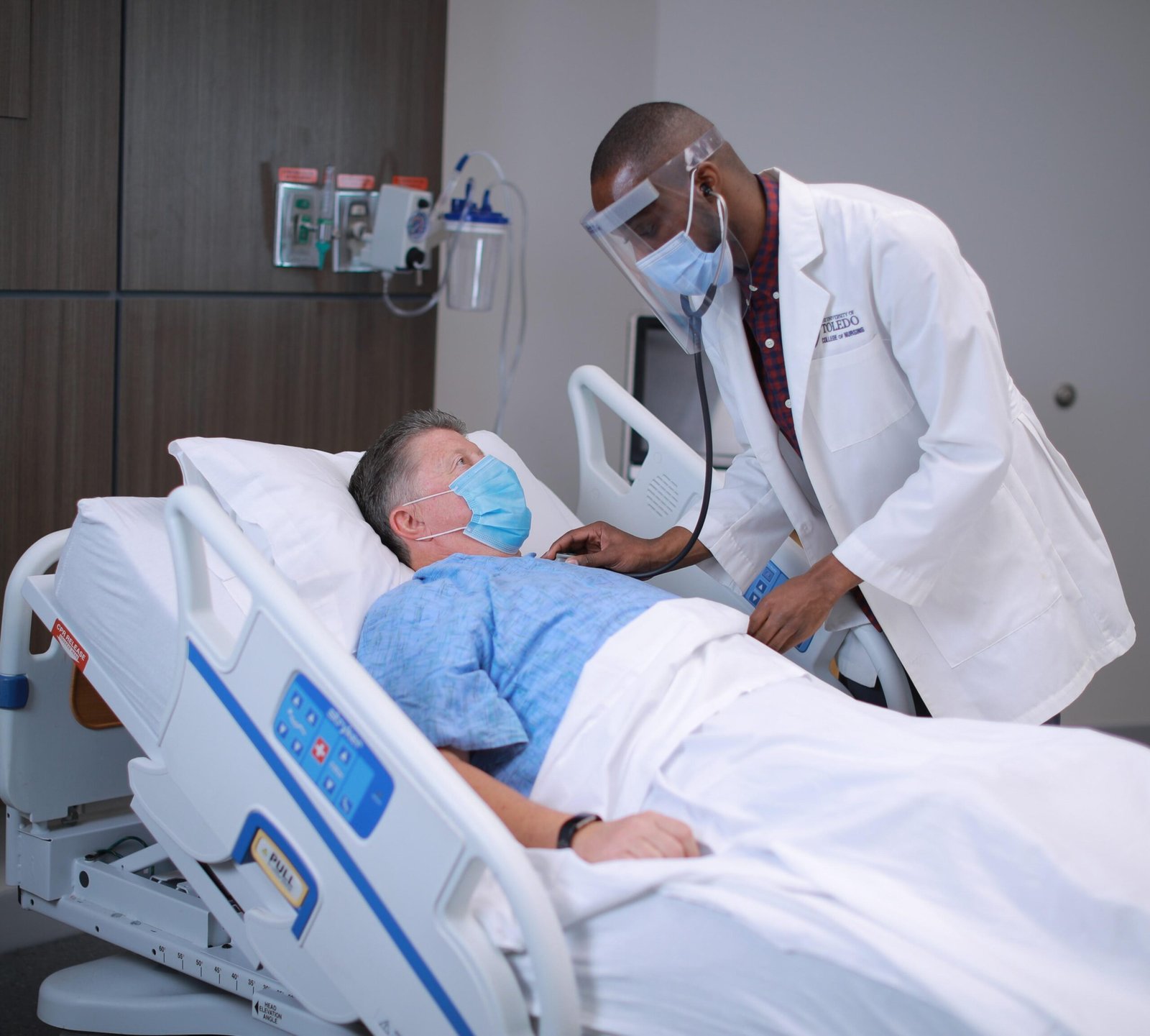
Not every healthcare professional needs to diagnose or treat patients directly. Diagnostic and technical specialists provide the information, testing, and technology that clinicians rely on to make informed decisions.Diagnostic Imaging TechnologistsDiagnostic imaging professionals operate equipment used to produce images of the body’s internal structures. These images help clinicians investigate injuries, identify abnormalities, and monitor disease.Career options include radiologic technologists, MRI technologists, and nuclear medicine technologists.Depending on the specialty, the educational pathway may involve an associate or bachelor’s degree, clinical training, and professional certification or state licensing. Requirements differ by role and location.Medical Laboratory ScientistsMedical laboratory professionals analyze blood, tissue, and other biological specimens to help detect diseases and monitor treatment.Their work may involve microbiology, hematology, clinical chemistry, immunology, or molecular diagnostics. Although much of their work takes place outside direct patient care, laboratory findings are an essential part of many clinical decisions.Clinical laboratory technologists commonly need a bachelor’s degree, while some technician roles may be accessible through shorter postsecondary programs. Employers and state regulations may specify additional certification or licensing requirements.
Bureau of Labor Statistics
Health Informatics and Health Information Technology
Healthcare increasingly depends on accurate, secure, and accessible digital information. Health informatics professionals help organizations manage electronic health records, analyze clinical data, maintain information systems, and improve the way health information is used. Essential Pathways to American Healthcare Careers
Potential roles include:Health information technologistClinical data analystElectronic health record (EHR) specialistMedical registrarHealth information managerEducational requirements vary, with some positions accepting an associate degree and others requiring a bachelor’s or graduate degree. Knowledge of healthcare systems, data management, privacy, and information technology can be valuable. Essential Pathways to American Healthcare Careers
The BLS notes that health information technologists and medical registrars help maintain clinical databases, assess data quality, and protect patient information.
3. Healthcare Administration and Leadership

Essential Pathways to American Healthcare Careers
Healthcare organizations need professionals who can coordinate staff, manage budgets, oversee operations, and support the delivery of safe, efficient services.Healthcare administrators may work in hospitals, physician practices, outpatient centers, nursing facilities, insurance organizations, and other healthcare settings.Medical and Health Services ManagersMedical and health services managers, also known as healthcare administrators or healthcare executives, plan and coordinate the business and operational activities of healthcare providers.Their responsibilities may include:Managing budgets, staffing, and schedules.Supporting compliance with healthcare laws and regulations.Developing operational goals and procedures.Monitoring service quality and organizational performance.Coordinating departments and working with clinical leaders.A bachelor’s degree is a common entry pathway, with relevant fields including healthcare administration, health information management, nursing, and business. Some employers prefer a master’s degree or relevant experience in a clinical or administrative role. Certain positions, such as nursing home administrator, have specific state licensing requirements.
Bureau of Labor Statistics
This pathway may be appropriate for individuals who enjoy leadership, planning, communication, and solving organizational challenges without necessarily providing direct clinical care.
4. Public Health and Epidemiology: Improving Health at a Population Level

Public health careers focus on protecting and improving the health of communities and populations. Rather than concentrating exclusively on individual patients, professionals in this field work to prevent disease, understand health risks, evaluate interventions, and improve access to health resources.EpidemiologistsEpidemiologists investigate patterns, causes, and risk factors associated with diseases and injuries. They analyze data, conduct studies, and help public health agencies and healthcare organizations understand how health problems develop and how they may be prevented.A master’s degree is typically required, often in public health (MPH) with a focus on epidemiology. Some research and academic positions require a doctoral degree.Bureau of Labor StatisticsPublic Health ProfessionalsPublic health offers a range of additional career options, including:Community health educationHealth promotion and disease preventionEnvironmental healthPublic health program coordinationHealth policy and researchGlobal health initiativesEducational requirements depend on the role. Some positions are accessible with a bachelor’s degree, while research, specialist, and leadership positions may require graduate education.Public health may appeal to people interested in research, community engagement, data analysis, policy, and addressing health challenges on a broader scale.



Leave a Reply