

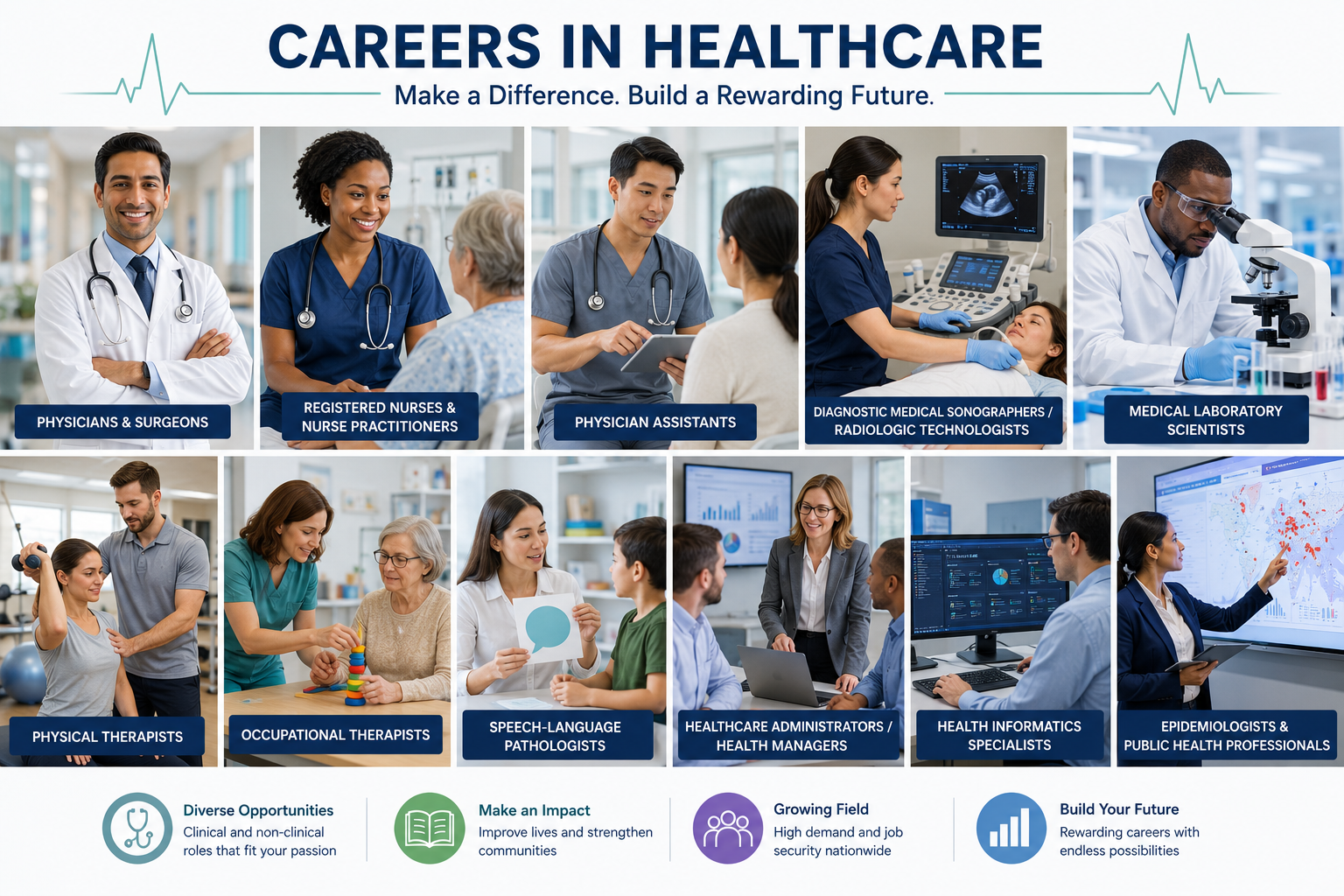
In-demand medical and hospital careers in the US offer a wide range of opportunities from physicians and nurses to health informatics and public health professionals. These in-demand medical and hospital careers in the US offer different education requirements, responsibilities, work environments, and opportunities for professional growth.
Whether you want to work directly with patients, perform diagnostic testing, support rehabilitation, manage healthcare operations, or work with health data, there are many medical career options in the US to consider.
10 In-Demand Medical and Hospital Career Options in the US
Here are the 10 In-Demand Medical and Hospital Career Options in the US:
1. Physicians & Surgeons (MD/DO)
Physicians and surgeons diagnose illnesses, develop treatment plans, prescribe medications, and perform medical procedures. Becoming a physician generally requires 11–15+ years of education and training, including undergraduate education, medical school, residency, and optional fellowship training.
This is one of the most advanced hospital career options in the US, offering high earning potential and professional autonomy, although physicians often work demanding schedules.
Education and Training
The typical pathway includes a bachelor’s degree, medical school, residency, and, for some specialties, fellowship training.
2. Registered Nurses (RN) & Nurse Practitioners (NP)
Registered nurses coordinate patient care, monitor patients, administer treatments, and educate patients and families. Nurses can enter the profession through ADN or BSN programs.
Nurse practitioners complete graduate-level education, such as an MSN or DNP, and may examine patients, order diagnostic tests, and prescribe medications. Their scope of practice varies by state.
Why Nursing Is an In-Demand Medical Career
Nursing provides opportunities in hospitals, clinics, emergency departments, outpatient centers, and other healthcare settings.
3. Physician Assistants (PA)
Physician assistants are master’s-level healthcare professionals who evaluate patients, diagnose medical conditions, develop treatment plans, and provide medical care in collaboration with physicians and other members of the healthcare team.
PA programs generally take about two years after completing prerequisite undergraduate education, making this an attractive clinical career option in the US for people seeking a relatively direct path into patient care.

PA Career Path
Most PA programs require prerequisite coursework and clinical education before graduates enter professional practice.
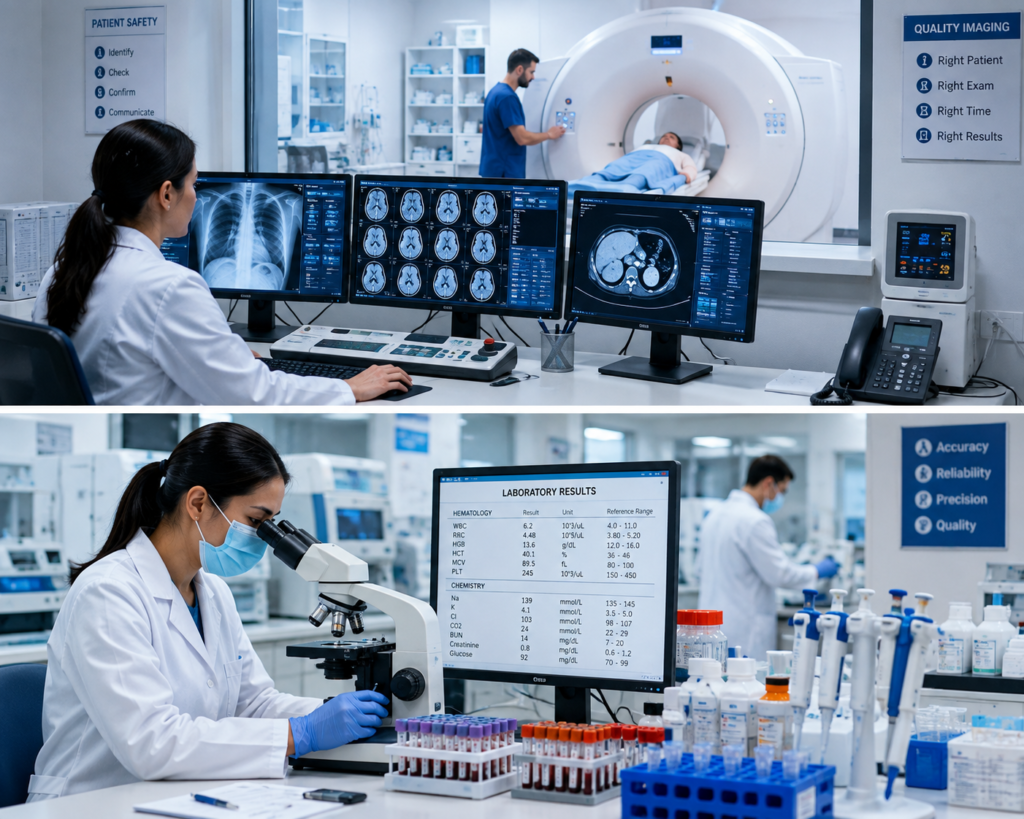
4. Diagnostic Medical Sonographers & Radiologic Technologists
Diagnostic medical sonographers use ultrasound technology to create images of internal body structures, while radiologic technologists operate imaging equipment used for X-rays and, depending on training and credentials, other imaging procedures.
These medical and hospital careers are important because diagnostic imaging helps healthcare professionals identify and evaluate diseases and injuries.
Diagnostic Imaging Career Options
Common pathways include sonography and radiologic technology, with education ranging from associate-degree programs to bachelor’s-level programs.
5. Medical Laboratory Scientists (MLS)
Medical laboratory scientists perform clinical laboratory testing on blood, tissue, and other biological samples. Their work supports physicians and other healthcare professionals in diagnosing and monitoring diseases.
This can be an excellent medical career option in the US for students interested in biology, chemistry, pathology, and laboratory science who prefer limited direct patient interaction.
What Does a Medical Laboratory Scientist Do?
MLS professionals may perform testing, analyze specimens, operate laboratory equipment, and help ensure accurate and reliable laboratory results.
6. Physical Therapists (PT)
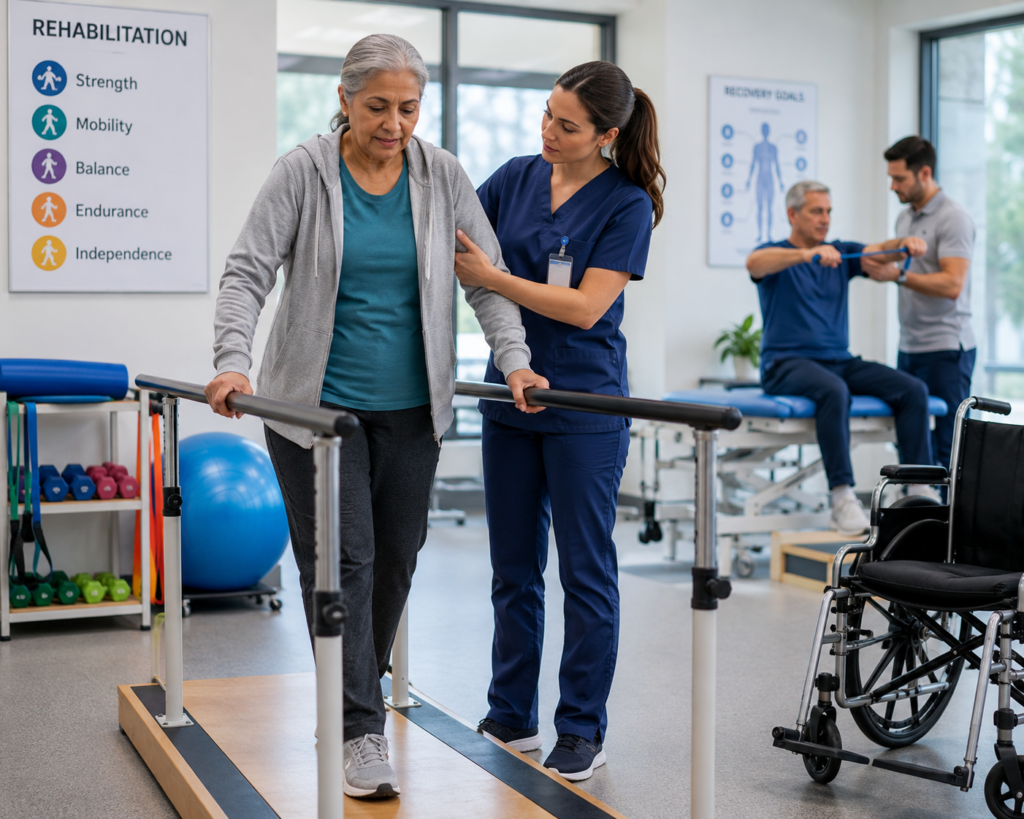
Physical therapists help patients improve movement, manage pain, and recover from injuries, illnesses, or surgery. Physical therapists typically complete a Doctor of Physical Therapy (DPT) program.
Physical Therapy Career
PTs can work in hospitals, rehabilitation centers, outpatient clinics, sports facilities, and other healthcare environments.
7. Occupational Therapists (OT)
Occupational therapists help patients develop, recover, or maintain skills needed for everyday activities. They may work with people experiencing physical, neurological, developmental, or other challenges.
OTs typically complete a master’s or doctoral degree in occupational therapy.
Occupational Therapy Opportunities
Occupational therapists can work in hospitals, rehabilitation facilities, schools, outpatient clinics, and community settings.
8. Speech-Language Pathologists (SLP)
Speech-language pathologists assess and treat communication, voice, speech, and swallowing disorders. They work with patients across the lifespan, from children to older adults.
SLP Career Options
SLPs may work in hospitals, schools, rehabilitation centers, outpatient clinics, and other healthcare settings.
9. Healthcare Administrators & Health Managers
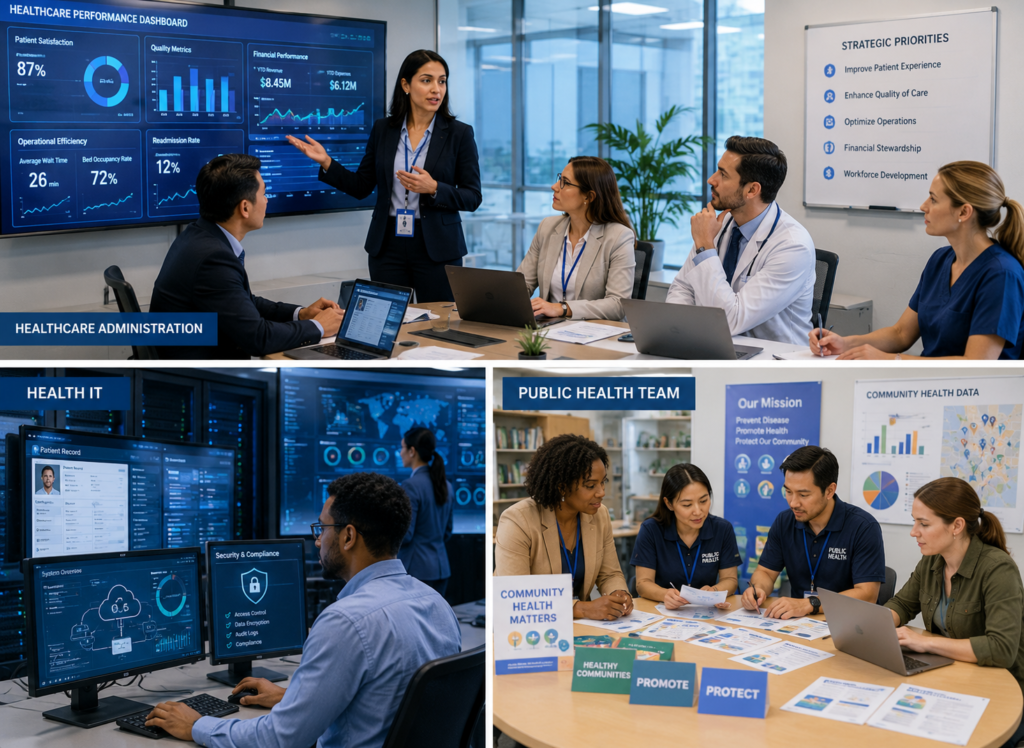
Healthcare administrators and health managers oversee the business, operational, staffing, financial, and organizational functions of healthcare facilities.
These professionals may manage hospitals, clinics, departments, healthcare programs, or other healthcare organizations.
Healthcare Administration Careers
Healthcare administration is a strong option for people interested in healthcare but who prefer leadership, management, finance, operations, or organizational roles rather than direct patient care.
10. Health Informatics Specialists, Epidemiologists & Public Health Professionals
Health informatics specialists connect healthcare and technology by managing electronic health records (EHRs), healthcare data, privacy systems, analytics, and digital health technologies.
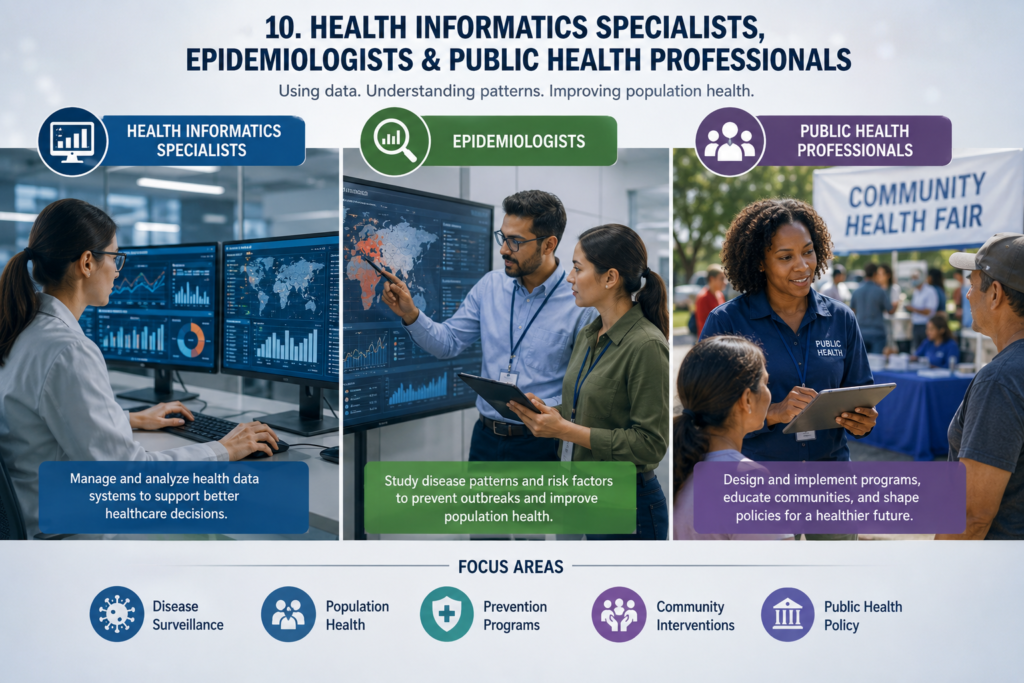
Epidemiologists and public health professionals focus on disease patterns, population health, prevention programs, community interventions, and public health policy.
Health Informatics and Public Health Careers
These fields are especially suitable for people interested in healthcare technology, data analysis, disease prevention, research, and improving health outcomes at the population level.
How to Choose the Right Medical Career in the US
Choosing among the many medical career options in the US depends on your education goals, interests, preferred work environment, and willingness to complete professional training.
If you enjoy direct patient care, nursing, medicine, physician assistant careers, physical therapy, occupational therapy, or speech-language pathology may be suitable. If you prefer technology, science, or behind-the-scenes work, diagnostic imaging, medical laboratory science, health informatics, and public health may be better choices.
Final Thoughts
The US healthcare sector offers diverse in-demand medical and hospital career options, ranging from highly specialized physicians and surgeons to nurses, allied health professionals, healthcare managers, health IT specialists, and public health professionals.
Before choosing a career, research the required education, licensing or certification requirements, scope of practice, employment outlook, and work environment for your chosen profession.



Leave a Reply