

Nicotine and Long COVID is an emerging area of scientific research that has attracted attention because of a possible connection between nicotine, nicotinic acetylcholine receptors, and the biological processes involved in post-acute COVID-19 syndrome. Some early reports have described improvements in symptoms such as brain fog, fatigue, weakness, pain, and shortness of breath after the use of transdermal nicotine.
But does this mean nicotine is an effective treatment for Long COVID?
Not yet.
The current evidence is intriguing but preliminary. Research has moved from biological theories and laboratory observations to case reports, receptor-imaging research, and patient surveys. However, there is still no strong randomized clinical-trial evidence demonstrating that nicotine can reliably treat Long COVID.
This distinction is essential.
Long COVID—also called post-acute sequelae of SARS-CoV-2 infection (PASC) or post-COVID syndrome—is a complex condition that can affect multiple systems of the body. Symptoms may include persistent fatigue, post-exertional malaise, brain fog, sleep disturbance, headaches, shortness of breath, pain, autonomic symptoms, and changes in smell or taste.
Researchers increasingly believe that Long COVID does not have one single cause. Possible mechanisms include immune dysregulation, inflammation, autonomic dysfunction, vascular abnormalities, metabolic changes, viral persistence, and neurological dysfunction. A 2026 review similarly emphasizes the complexity and heterogeneity of Long COVID and notes that pharmacological treatments still require stronger validation.
Within this complicated picture, the cholinergic nervous system has become an interesting area of investigation.
The central question is:
Could nicotine influence nicotinic acetylcholine receptors in a way that improves certain Long COVID symptoms?
At present, this remains a hypothesis that deserves investigation—not an established medical treatment.
What Is Long COVID?
Long COVID describes persistent or recurring symptoms following SARS-CoV-2 infection. The condition can occur after severe COVID-19, but persistent symptoms have also been reported after infections that were initially mild or even unrecognized.
The symptoms can vary considerably from person to person.
Common Long COVID symptoms
Some of the symptoms reported in Long COVID include:
- Persistent fatigue
- Post-exertional malaise
- Brain fog
- Difficulty concentrating
- Memory problems
- Sleep disturbance
- Headaches
- Muscle or joint pain
- Shortness of breath
- Palpitations
- Dizziness
- Exercise intolerance
- Mood-related symptoms
- Weakness
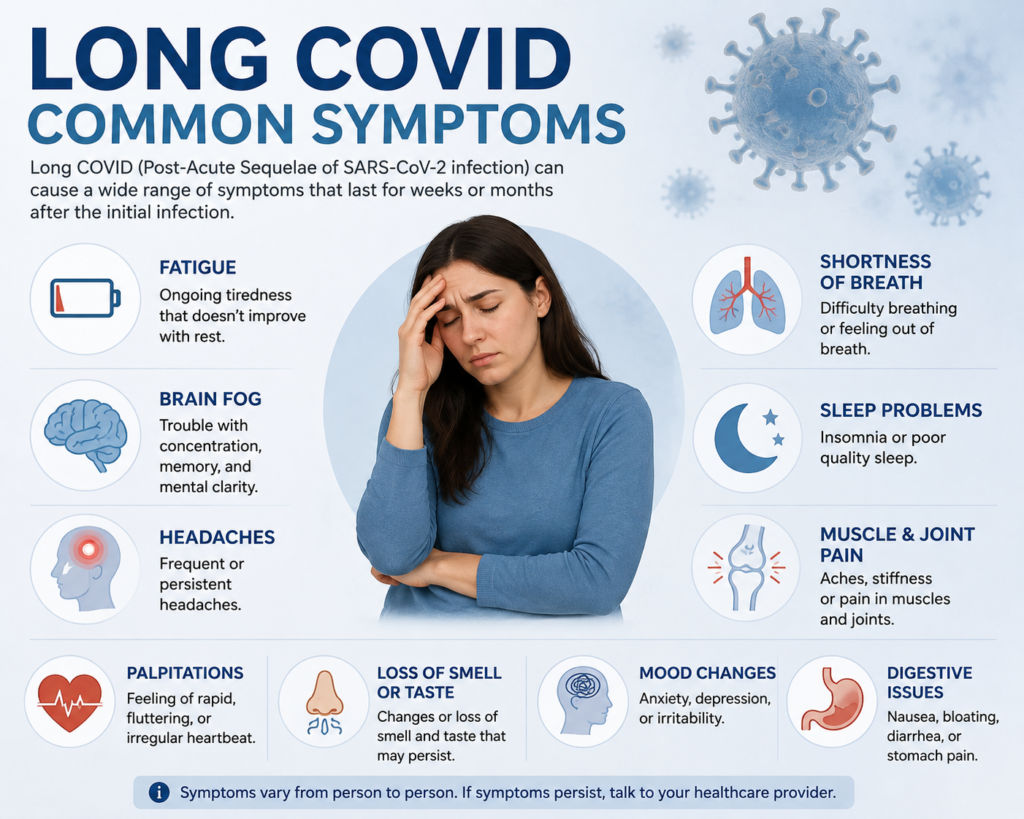
This variability is one reason why finding a universal Long COVID treatment has been difficult.
One patient may primarily experience cognitive problems and fatigue, while another may have respiratory limitations or autonomic symptoms. A third patient may have severe post-exertional malaise.
Therefore, researchers increasingly investigate Long COVID as a collection of overlapping biological phenotypes rather than one simple disease process.
Why Long COVID treatment is challenging
The treatment landscape remains unsettled. A 2026 review of candidate Long COVID treatments found that only a subset of interventions had Long-COVID-specific randomized controlled trial evidence and that certainty across many candidate treatments remained low or very low.
Another recent review states that there are currently no approved therapies specifically established to treat Long COVID, reflecting the heterogeneity of the condition and its underlying mechanisms.
That scientific uncertainty explains why researchers continue to investigate repurposed medicines—including nicotine.
Why Are Scientists Studying Nicotine and Long COVID?
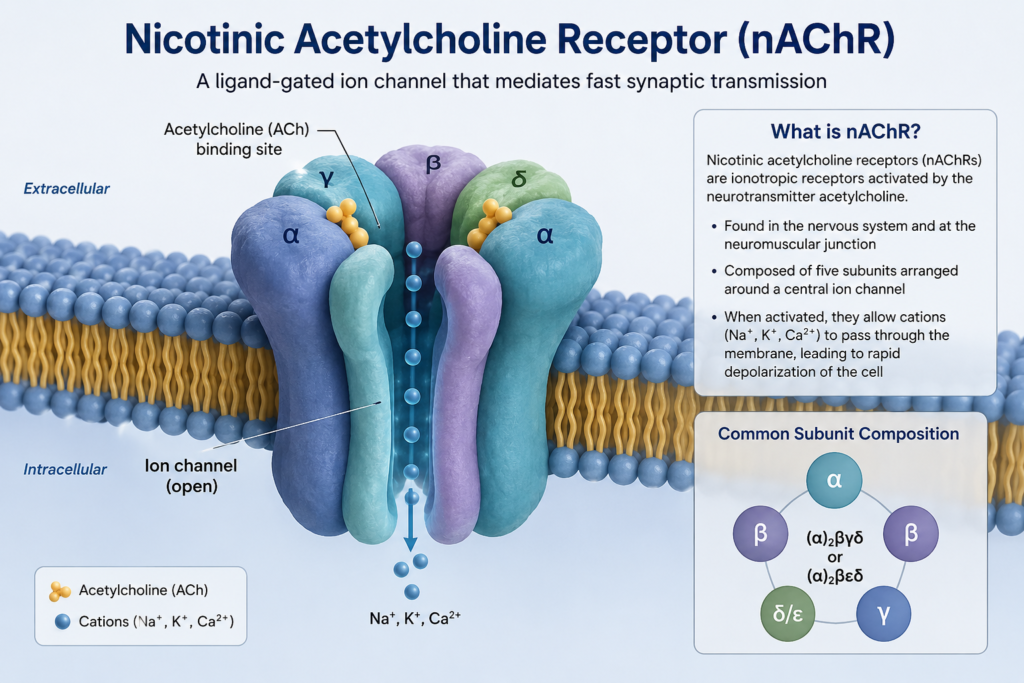
At first glance, nicotine may seem like an unusual candidate for Long COVID research.
Nicotine is best known as the addictive substance in tobacco products. However, nicotine is also a pharmacologically active compound that interacts with specific receptors in the nervous system and other tissues.
These receptors are called nicotinic acetylcholine receptors, or nAChRs.
They respond naturally to the neurotransmitter acetylcholine and participate in several biological processes.
What are nicotinic acetylcholine receptors?
Nicotinic acetylcholine receptors are proteins found on cell membranes. They are activated by acetylcholine and can also be activated by nicotine.
Different receptor subtypes have different biological functions.
Among the receptors receiving attention in Long COVID research are:
- α7 nicotinic acetylcholine receptors
- α4β2 nicotinic acetylcholine receptors
- Other neuronal and non-neuronal nAChR subtypes
These receptors participate in neuronal communication, attention, cognition, autonomic regulation, and interactions between the nervous and immune systems.
Research has also explored relationships between SARS-CoV-2 proteins and nicotinic acetylcholine receptors. Laboratory research has reported interactions between parts of the SARS-CoV-2 spike protein and several nAChR subtypes, including α7 receptors.
However, laboratory interaction does not automatically demonstrate that receptor disruption causes Long COVID or that nicotine can reverse it.
That distinction is crucial.
The Cholinergic System and Long COVID
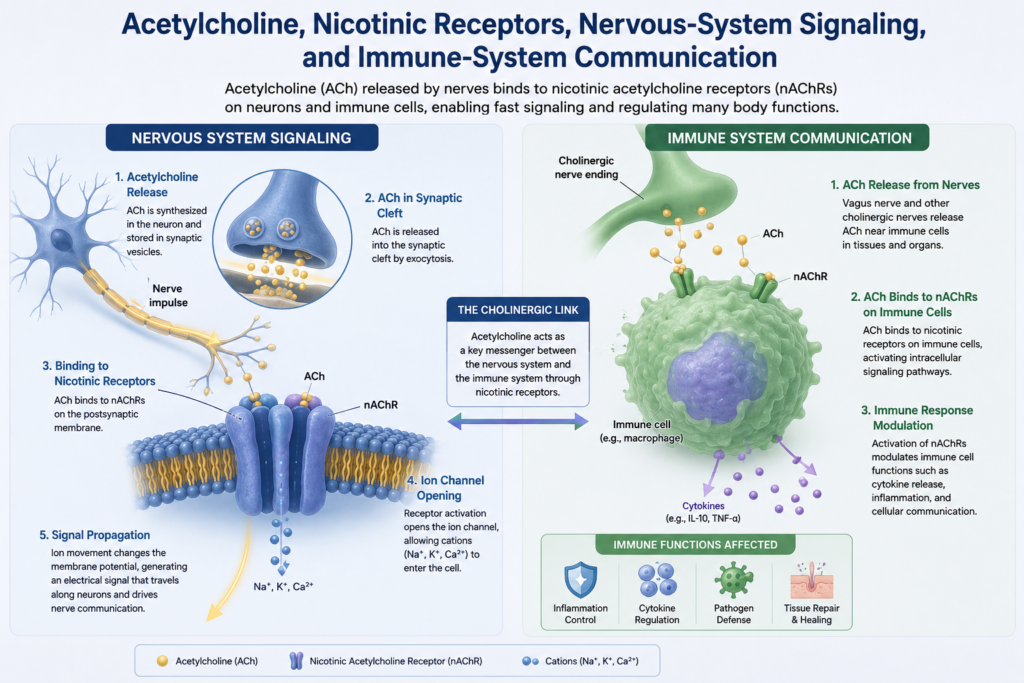
The cholinergic system is a network involving acetylcholine and its receptors.
Acetylcholine is involved in:
- Brain signaling
- Attention
- Learning
- Memory
- Autonomic nervous-system function
- Muscle activity
- Immune regulation
The idea behind the nicotine hypothesis is that abnormal cholinergic signaling might contribute to some symptoms experienced by people with Long COVID.
A 2024 review specifically examined the possible role of the α7 nicotinic acetylcholine receptor in post-acute sequelae of COVID-19. The authors proposed that abnormalities involving this receptor could potentially contribute to some neurological and cognitive manifestations of Long COVID.
This provides an interesting biological framework.
But there is an important scientific rule:
«A plausible mechanism is not the same thing as proven clinical efficacy.»
A drug can affect a biological pathway without improving a disease.
That is why clinical trials are necessary.
What Is the α7 Nicotinic Acetylcholine Receptor?
The α7-nAChR is one of the most discussed nicotinic acetylcholine receptor subtypes in COVID-19 research.
It is expressed in the nervous system and has also been investigated in immune cells and other tissues.
Researchers have proposed that α7-nAChR signaling may participate in communication between the nervous and immune systems.
Some research has investigated whether SARS-CoV-2-related mechanisms could interfere with this receptor.
A 2024 review proposed a connection between α7-nAChR dysfunction and some neurological features of post-acute COVID-19.
Other laboratory research has found that a region of the SARS-CoV-2 spike protein can interact functionally with several nicotinic receptor subtypes.
These findings make nicotinic receptors scientifically interesting.
They do not, however, establish that nicotine should be used as a Long COVID medication.
How Could Nicotine Potentially Affect Long COVID Symptoms?
The hypothesis is based on nicotine’s interaction with nicotinic acetylcholine receptors.
Nicotine acts as an agonist at several nAChRs, meaning it can activate these receptors.
Researchers have therefore asked whether nicotine could influence abnormal cholinergic signaling in people with Long COVID.
Possible mechanisms being investigated
The proposed mechanisms include:
- Modulation of neuronal signaling
- Effects on attention and cognition
- Influence on autonomic nervous-system pathways
- Interaction with immune regulation
- Changes in nicotinic receptor availability or function
- Possible effects on neuroinflammatory pathways
These mechanisms are still being investigated.
The evidence is not strong enough to conclude that any of these mechanisms explains Long COVID or that nicotine corrects them.
Nicotine and Long COVID Brain Fog
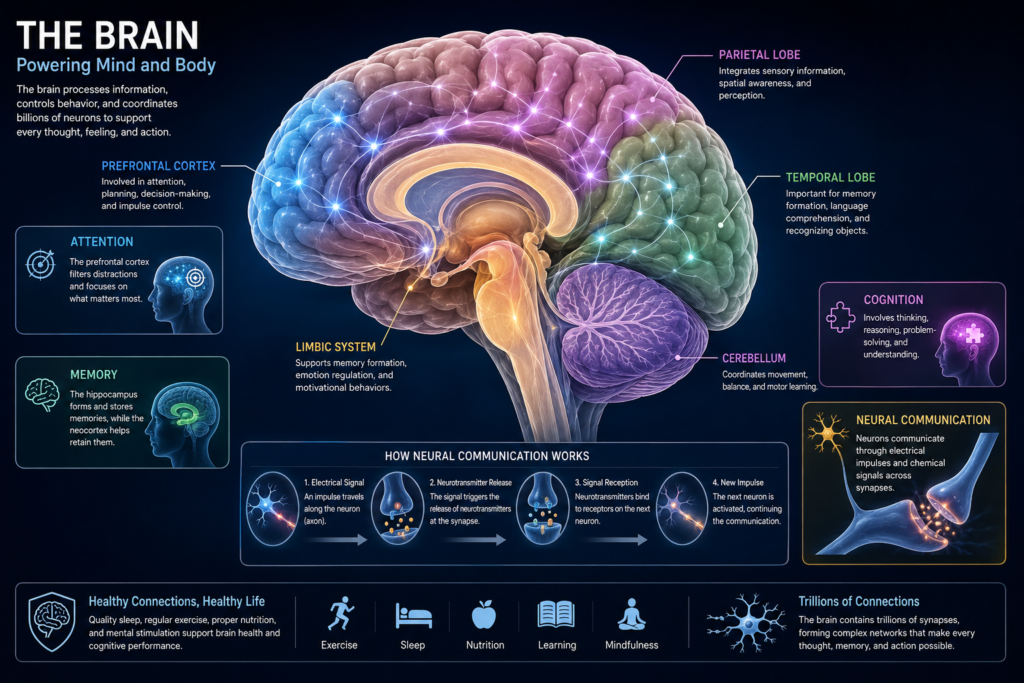
One of the most interesting questions is whether nicotine could help Long COVID brain fog.
Brain fog is commonly used by patients to describe problems such as:
- Difficulty concentrating
- Slowed thinking
- Forgetfulness
- Difficulty finding words
- Reduced mental stamina
- Problems multitasking
- Feeling mentally exhausted
Because nicotinic acetylcholine receptors participate in attention and cognitive processes, researchers have investigated whether nicotine can influence cognition.
A meta-analysis of transdermal nicotine studies in healthy non-smokers found statistically significant improvements in overall cognitive performance and attention, although memory benefits were not statistically significant. Importantly, these studies involved healthy adults—not people with Long COVID.
Therefore, this evidence should not be interpreted as proof that nicotine treats Long COVID brain fog.
It simply provides additional biological context for why researchers might investigate the question.
The First Long COVID Nicotine Reports
Interest in nicotine for Long COVID increased following a 2023 paper describing individuals with post-COVID syndrome who reportedly improved after nicotine-patch treatment.
The researchers proposed that SARS-CoV-2-related interactions with nicotinic acetylcholine receptors could interfere with cholinergic signaling.
They hypothesized that nicotine might help restore signaling by interacting with these receptors.
The report described improvements involving symptoms such as:
- Weakness
- Memory problems
- Pain
- Shortness of breath
- Other post-COVID symptoms
The findings were provocative.
But they were also preliminary.
The study was not a large randomized controlled trial.
Why case reports cannot prove a treatment works
Case reports are valuable for generating hypotheses. They can identify unusual patterns that deserve investigation.
But they have important limitations.
A patient may improve after receiving a treatment because:
- The disease naturally fluctuates
- Symptoms were already beginning to improve
- Other treatments changed simultaneously
- Expectations influenced symptom reporting
- The placebo effect contributed
- The patient population was unusually selected
The 2023 nicotine report should therefore be understood as hypothesis-generating evidence rather than definitive proof.
What Did the 2025 Nicotine and Long COVID Study Find?
A particularly interesting paper published in 2025 explored the nicotine hypothesis further.
The study, titled “Long COVID – a critical disruption of cholinergic neurotransmission?”, combined several types of evidence.
Researchers reported:
- PET imaging involving nicotinic acetylcholine receptors in a Long COVID patient
- Neurological improvement following a short course of low-dose transdermal nicotine
- A survey involving 231 users of low-dose transdermal nicotine
The survey reported that 73.5% of respondents reported significant improvement in Long COVID/ME-CFS symptoms.
This is an interesting finding.
However, it must be interpreted carefully.
Why the 73.5% Figure Does Not Prove Nicotine Works
A headline such as “73.5% improved with nicotine” can easily be misunderstood.
This was not a randomized placebo-controlled clinical trial.
Participants were users of low-dose transdermal nicotine who responded to a survey.
That creates several possible biases.
Selection bias
People who experienced benefits may have been more likely to participate or respond.
Reporting bias
Participants knew they were using nicotine, which can influence how they interpret and report symptoms.
Placebo effects
Expectations can influence subjective outcomes such as fatigue, pain, concentration, and perceived energy.
Natural symptom variation
Long COVID symptoms can fluctuate substantially.
Confounding
Participants may have changed other aspects of their lifestyle or treatment while using nicotine.
Therefore, the 73.5% figure is interesting but should not be presented as a clinical success rate.
The appropriate interpretation is:
A substantial proportion of surveyed users reported improvement, generating a hypothesis that should be tested in controlled clinical trials.
What Did PET Imaging Show?
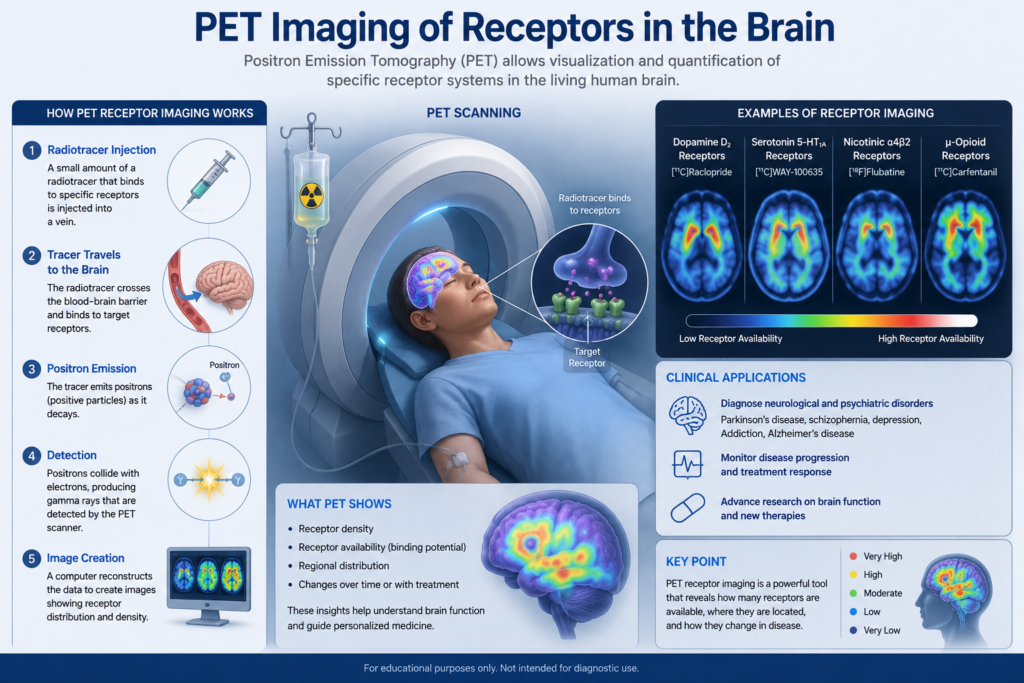
The 2025 study also included PET imaging using a tracer targeting α4β2* nicotinic acetylcholine receptors.
Researchers reported changes in receptor availability following the nicotine intervention in the patient studied.
This is scientifically interesting because PET imaging can provide information about receptor biology that subjective symptom questionnaires cannot provide.
However, the imaging component involved a single patient.
Why a single-patient PET study is not enough
A single case can demonstrate that something biologically interesting may be happening.
It cannot establish:
- That nicotine caused the change
- That the change occurs in most Long COVID patients
- That the receptor change causes symptoms
- That receptor changes predict clinical improvement
- That nicotine is safe for long-term use
- That nicotine works better than placebo
Therefore, PET imaging should be viewed as mechanistic evidence requiring replication.
Nicotine Patches and Long COVID: Why Transdermal Nicotine?
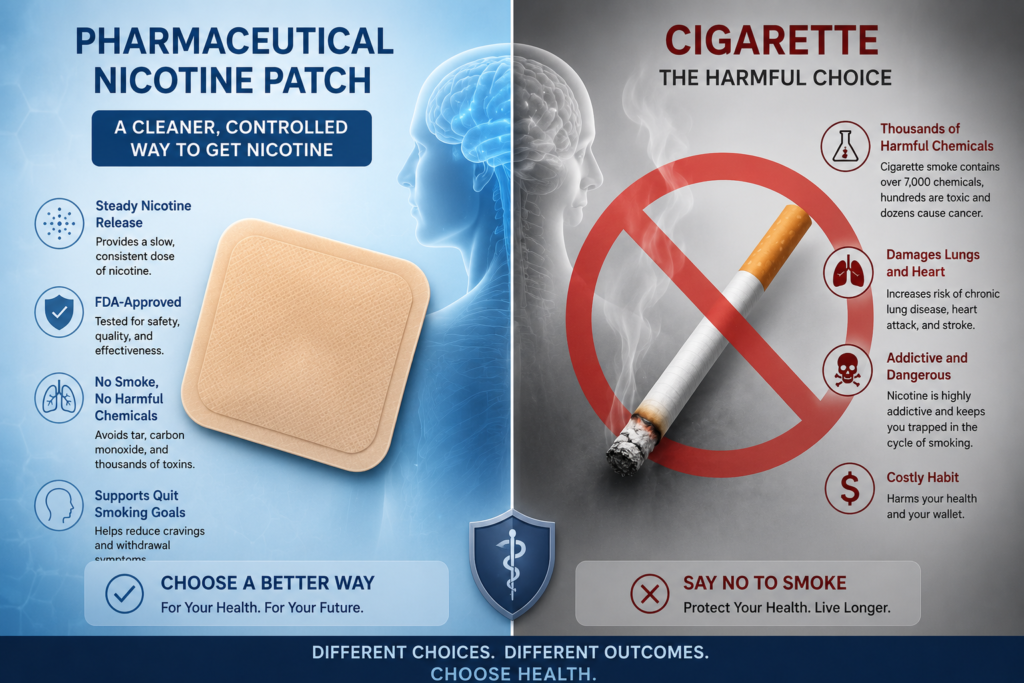
When researchers discuss nicotine therapeutically, they generally distinguish pharmaceutical nicotine from tobacco products.
A transdermal nicotine patch delivers nicotine through the skin at a relatively controlled rate.
This is fundamentally different from smoking cigarettes.
Cigarette smoke contains thousands of chemicals produced through combustion, many of which are toxic.
Nicotine is not the same as smoking
This distinction deserves emphasis:
Nicotine ≠ cigarette smoking.
Smoking exposes the body to nicotine plus numerous combustion products and toxic substances.
Vaping also involves additional chemicals and respiratory exposures.
Therefore, evidence investigating pharmaceutical nicotine cannot be used as an argument for smoking.
In fact, smoking should never be recommended as a treatment for Long COVID.
Is Nicotine Safe for Long COVID?
This is one of the most important questions.
Even if nicotine eventually proves beneficial for a subset of Long COVID patients, that would not mean nicotine is harmless.
Nicotine is a pharmacologically active and addictive substance.
Potential adverse effects can include:
- Nausea
- Vomiting
- Skin irritation from patches
- Headache
- Dizziness
- Sleep disturbance
- Increased heart rate
- Cardiovascular effects
- Nicotine dependence
A systematic review examining transdermal nicotine in non-smokers found nausea and skin itching among the most common adverse effects. In the studies reviewed, 43 non-smokers stopped treatment because of adverse events. The authors concluded that transdermal nicotine for non-established indications in non-smokers should be restricted to clinical trials because the risk of developing tobacco addiction had not been formally assessed.
That is highly relevant to the Long COVID nicotine discussion.
What Does Research Say About Nicotine in COVID-19?
It is also important not to confuse acute COVID-19 with Long COVID.
These are different clinical situations.
A randomized, double-blind, placebo-controlled multicenter trial examined transdermal nicotine in 218 non-smoking or long-term former-smoking patients with severe COVID-19 requiring mechanical ventilation.
Patients received either nicotine patches or placebo.
The study found no significant difference in 28-day mortality between the groups. Mortality was 28% in both groups. The researchers concluded that there was no indication to use nicotine in that acute severe-COVID setting.
Does this disprove the Long COVID hypothesis?
No.
The trial investigated severe acute COVID-19, not Long COVID.
A drug could theoretically have different effects during acute infection compared with a chronic post-infectious condition.
However, the study demonstrates an important principle:
A biological hypothesis must be tested clinically.
Nicotine cannot be assumed to work simply because a receptor mechanism appears plausible.
Nicotine and the Immune System
Another reason nicotine has attracted scientific interest is its interaction with the nervous and immune systems.
The cholinergic system has been investigated as a regulator of inflammatory signaling.
Research in acute COVID-19 has examined the acetylcholine/α7-nAChR pathway and its relationship with inflammatory markers and disease severity.
This area is sometimes discussed in connection with the “cholinergic anti-inflammatory pathway.”
The concept is biologically fascinating because the nervous system and immune system do not operate completely independently.
Neural signaling can influence immune activity, while inflammation can influence neurological function.
However, it would be an oversimplification to say:
“Nicotine reduces inflammation, therefore nicotine treats Long COVID.”
Long COVID involves multiple proposed biological pathways, and excessive manipulation of one pathway could potentially have unwanted effects.
Long COVID Is Not One Disease
This may be the most important point when evaluating nicotine.
Long COVID is heterogeneous.
Some people primarily experience:
- Fatigue
- Post-exertional malaise
- Cognitive dysfunction
Others may have:
- Autonomic dysfunction
- Palpitations
- Dizziness
- Shortness of breath
- Chest symptoms
- Sleep problems
- Pain
Some patients experience several of these simultaneously.
Why patient subtypes matter?
A treatment that affects cholinergic signaling may theoretically help a subgroup with particular neurological or autonomic abnormalities.
It may not help someone whose dominant problem involves a completely different biological pathway.
This is why future Long COVID clinical trials should ideally define patient phenotypes rather than treating all Long COVID patients as one homogeneous group.
A 2026 review of candidate treatments similarly emphasizes the need for rigorous trials and notes that evidence remains insufficient for many proposed interventions.
Nicotine and Long COVID: What We Know vs. What We Don’t Know
Question| Current evidence
Do nicotinic receptors have biological relevance?| Yes, they are important signaling receptors and are being investigated in COVID-related research.
Could cholinergic dysfunction contribute to Long COVID?| It is a plausible research hypothesis.
Has nicotine improved symptoms in some reports?| Yes, case reports and survey data describe improvement.
Has PET imaging provided interesting receptor findings?| Yes, but evidence includes a single-patient observation.
Has nicotine been proven to treat Long COVID?| No.
Is smoking a treatment for Long COVID?| No.
Are nicotine patches risk-free?| No.
Is a large randomized Long COVID nicotine trial needed?| Yes.
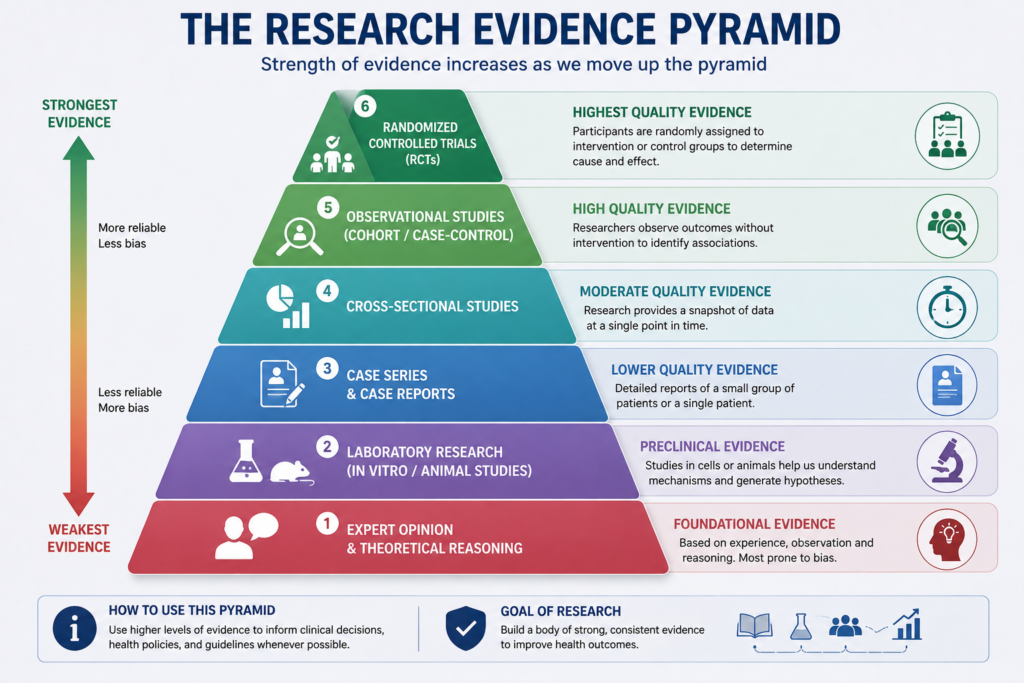
How Strong Is the Evidence for Nicotine as a Long COVID Treatment?
The evidence can be visualized as a research ladder.
Level 1: Biological plausibility
Researchers have identified possible relationships between SARS-CoV-2 biology, cholinergic signaling, and nicotinic receptors.
Interesting, but not proof.
Level 2: Case reports
Individual patients have reported improvement after nicotine.
Useful for generating hypotheses, but highly vulnerable to bias.
Level 3: Observational survey evidence
The 2025 study surveyed 231 people using low-dose transdermal nicotine, with 73.5% reporting significant improvement.
Interesting, but uncontrolled.
Level 4: Mechanistic imaging
PET imaging has provided a biological signal involving nicotinic receptors in a Long COVID patient.
Potentially important mechanistic evidence, but based on limited numbers.
Level 5: Randomized controlled trial
A properly designed Long COVID nicotine trial would compare nicotine with placebo while measuring predefined clinical outcomes.
This is the evidence still needed.
Why Randomized Clinical Trials Matter?
Suppose 100 people with Long COVID take nicotine and 70 report feeling better.
That sounds compelling.
But without a control group, we do not know how many would have improved anyway.
Imagine that 60 of 100 people taking placebo also improve.
The difference would be much smaller than the original 70% versus 0% impression.
This is why placebo-controlled randomized trials are so important.
What a good nicotine trial should measure
A future trial could evaluate:
- Fatigue
- Post-exertional malaise
- Cognitive performance
- Attention
- Memory
- Autonomic symptoms
- Exercise tolerance
- Sleep
- Quality of life
- Cardiovascular parameters
- Adverse effects
- Dependence
- Withdrawal
- Duration of benefit after treatment
It should also distinguish between different Long COVID phenotypes.
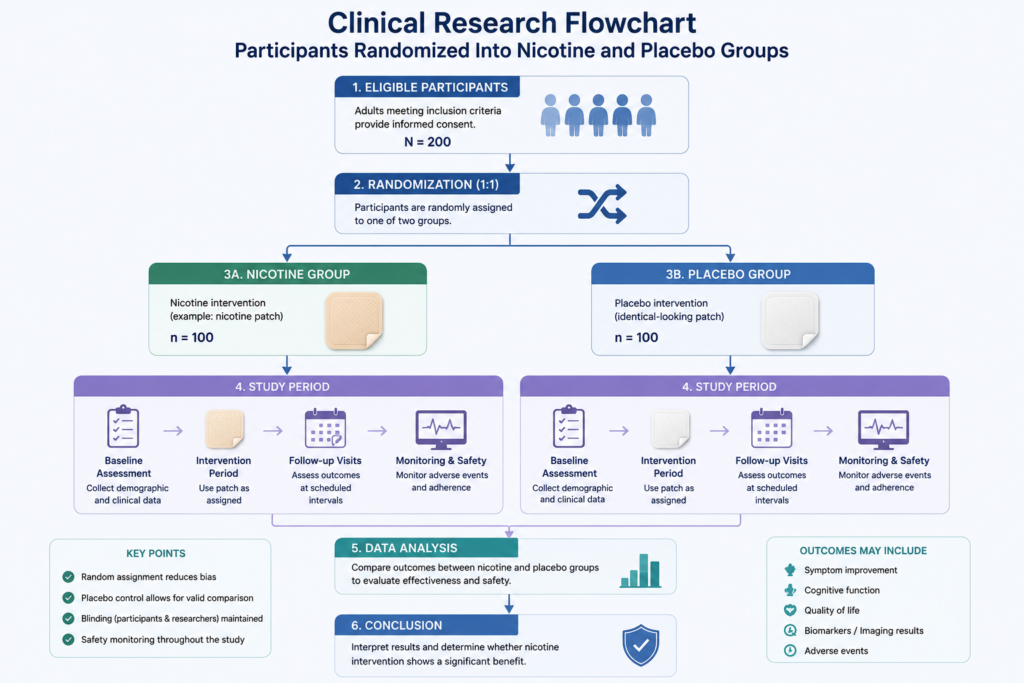
What Should Future Nicotine and Long COVID Trials Look Like?
A scientifically useful trial could include several important features.
Randomization
Participants should be randomly assigned to nicotine or placebo.
Randomization helps balance known and unknown factors between groups.
Blinding
Whenever practical, participants and investigators should not know who receives nicotine.
This reduces expectation and assessment bias.
Clearly Defined Long COVID Participants
Researchers should establish consistent criteria for Long COVID.
Participants should also be characterized by symptom pattern.
Objective Cognitive Testing
If nicotine is proposed as a treatment for brain fog, researchers should not rely exclusively on self-reported improvement.
Objective measures of:
- Attention
- Processing speed
- Memory
- Executive function
could provide additional evidence.
Autonomic Testing
Because cholinergic signaling is involved in autonomic regulation, trials could also measure relevant autonomic outcomes.
Cardiovascular Monitoring
Nicotine can influence cardiovascular physiology, making monitoring important.
Long-Term Follow-Up
Researchers should determine whether any improvement persists after nicotine is discontinued.
Could Nicotine Help Only Certain Long COVID Patients?
This is a major possibility.
Rather than asking:
“Does nicotine treat Long COVID?”
researchers may eventually ask:
“Does nicotinic receptor modulation help a specific Long COVID subgroup?”
That is a much more precise question.
For example, future research might investigate whether people with particular combinations of:
- Cognitive dysfunction
- Autonomic symptoms
- Fatigue
- Receptor abnormalities
- Specific biomarkers
respond differently from other Long COVID patients.
This would fit with the broader movement toward personalized Long COVID treatment.
Nicotine for Long COVID vs. Smoking
These terms should never be treated as interchangeable.
Nicotine patches| Smoking
Pharmaceutical nicotine| Tobacco combustion
Controlled drug delivery| Rapid nicotine delivery
Does not involve cigarette smoke| Produces toxic combustion products
Can still cause dependence| Strongly associated with nicotine dependence
Being investigated scientifically| Not a Long COVID treatment
May cause adverse effects| Causes substantial health risks
The fact that researchers are studying pharmaceutical nicotine does not mean researchers recommend smoking.
Should someone start smoking to treat Long COVID?
Absolutely not.
There is no evidence that smoking treats Long COVID, and smoking exposes people to numerous toxic substances.
The nicotine hypothesis should never be used to encourage tobacco use.
Should You Try Nicotine Patches for Long COVID?
At present, nicotine is not an established or proven Long COVID treatment.
The scientific literature is interesting enough to justify further investigation, but not strong enough to establish routine nicotine treatment for Long COVID.
People considering nicotine should discuss the decision with a qualified healthcare professional.
This is particularly important for people with cardiovascular conditions, pregnancy, medication interactions, nicotine dependence, or other health concerns.
What About Nicotine Gum, Lozenges or Vaping?
The research hypothesis should not be generalized to every nicotine product.
Nicotine can be delivered through:
- Patches
- Gum
- Lozenges
- Other pharmaceutical products
- Vaping products
- Tobacco products
These products have different pharmacokinetics, formulations, and additional risks.
Evidence involving one formulation cannot automatically be transferred to another.
In particular, research into pharmaceutical transdermal nicotine should not be interpreted as evidence supporting vaping or tobacco use.
Long COVID Treatment in 2026: Where Does Nicotine Fit?
The broader Long COVID treatment landscape remains experimental.
A 2026 review of candidate treatments found that only some interventions had Long-COVID-specific randomized trial evidence, while many others remained supported mainly by indirect or low-certainty evidence.
Another 2026 review described ongoing uncertainty around diagnosis, biomarkers, mechanisms, and treatment and emphasized the need for better-designed studies.
This puts the nicotine hypothesis into perspective.
Nicotine is one experimental idea among many.
It is not currently a standard therapy.
Why Long COVID Research Needs Better Biomarkers?
One major challenge in Long COVID research is identifying biological markers that can distinguish different patient subgroups.
A future biomarker could potentially help researchers determine:
- Who has autonomic dysfunction
- Who has persistent inflammation
- Who has vascular abnormalities
- Who has metabolic dysfunction
- Who has evidence of altered cholinergic signaling
If researchers identify a subgroup with measurable nicotinic receptor abnormalities, nicotine or another receptor-modulating therapy could potentially be tested specifically in that group.
This would be much more informative than giving nicotine to a broad population of people with very different symptoms.
Could Another Drug Target Nicotinic Receptors?
The nicotine hypothesis does not necessarily mean nicotine itself will ultimately become the treatment.
Researchers could investigate other compounds that affect nicotinic acetylcholine receptors.
The broader goal is understanding whether nicotinic receptor modulation has therapeutic value.
If receptor dysfunction is confirmed, scientists might eventually identify a compound that provides a desired effect with fewer disadvantages than nicotine.
This is one reason mechanistic research is valuable even when the initial drug candidate does not become a successful therapy.
Nicotine and Long COVID: Important Limitations of Current Research
There are several major limitations in the evidence available so far.
Small sample sizes
Some of the most interesting reports involve very small numbers of patients.
Small studies can produce large-looking effects that fail to reproduce later.
Lack of placebo controls
Without placebo controls, it is difficult to distinguish pharmacological effects from expectation and natural symptom changes.
Self-reported outcomes
Fatigue, brain fog, pain, and quality of life are important outcomes, but they can be influenced by expectations and reporting.
Selection bias
People who believe nicotine helped them may be more likely to participate in surveys.
Heterogeneous Long COVID
Different patients may have different biological mechanisms.
Short follow-up
A treatment may produce short-term symptom changes without producing long-term improvement.
Dependence risk
Any potential benefit has to be weighed against nicotine’s addictive properties.
A Simple Evidence-Grading Table
Evidence type| Strength for proving treatment efficacy| Role in nicotine research
Laboratory research| Very low| Helps explain mechanisms
Receptor studies| Very low| Identifies biological pathways
Case reports| Low| Generates hypotheses
Patient surveys| Low| Identifies patterns worth testing
PET imaging in one patient| Low for efficacy| Provides mechanistic clues
Observational studies| Low–moderate| Can identify associations
Randomized placebo-controlled trial| High| Can directly test efficacy
Multiple independent RCTs| Very high| Can establish consistency
Meta-analysis of good RCTs| Very high| Strengthens overall evidence
The current nicotine-and-Long-COVID evidence remains largely in the early stages.
Frequently Asked Questions About Nicotine and Long COVID
Does nicotine treat Long COVID?
There is currently insufficient evidence to say that nicotine treats Long COVID. Early case reports, mechanistic research, PET imaging, and survey findings are interesting but do not replace randomized placebo-controlled clinical trials.
Can nicotine patches help Long COVID brain fog?
It is possible that nicotine could influence cognitive processes through nicotinic acetylcholine receptors, but it has not been proven to treat Long COVID brain fog. Research in healthy adults has found some cognitive and attention effects from transdermal nicotine, but those findings cannot be directly applied to Long COVID patients.
Is nicotine a proven treatment for PASC?
No. PASC, or post-acute sequelae of SARS-CoV-2 infection, currently has no universally established pharmacological treatment, and nicotine remains an experimental hypothesis.
What are nicotinic acetylcholine receptors?
Nicotinic acetylcholine receptors are proteins that respond to acetylcholine and certain drugs, including nicotine. They participate in neuronal signaling and other biological processes, making them a subject of interest in Long COVID research.
What is the α7 nicotinic acetylcholine receptor?
The α7-nAChR is one subtype of nicotinic acetylcholine receptor. Researchers have investigated its potential role in immune regulation and neurological processes associated with COVID-19 and Long COVID.
Does smoking help Long COVID?
No. Smoking should not be used as a treatment for Long COVID. Tobacco smoke contains numerous harmful substances, and the potential research interest in pharmaceutical nicotine does not support smoking.
Is vaping nicotine a treatment for Long COVID?
There is no evidence establishing vaping as a treatment for Long COVID. Vaping also introduces substances into the respiratory system that are not equivalent to pharmaceutical transdermal nicotine.
Is transdermal nicotine safer than smoking?
Transdermal pharmaceutical nicotine avoids tobacco smoke and combustion products, but it is still pharmacologically active and can cause adverse effects and dependence. It should not automatically be considered risk-free.
Why did some Long COVID patients report improvement with nicotine?
Possible explanations include a genuine pharmacological effect, placebo effects, natural fluctuation of Long COVID symptoms, selection bias, reporting bias, or a combination of factors. Controlled trials are needed to distinguish among these possibilities.
What did the 2025 nicotine Long COVID study find?
The study reported PET imaging changes involving α4β2* nicotinic receptors in a Long COVID patient and described neurological improvement following low-dose transdermal nicotine. It also reported that 73.5% of 231 surveyed users reported significant improvement. However, the study was not a randomized placebo-controlled trial, so it cannot establish treatment efficacy.
Did nicotine work in severe acute COVID-19?
A randomized trial involving 218 patients with severe COVID-19 requiring mechanical ventilation found no significant difference in 28-day mortality between transdermal nicotine and placebo.
Does the acute-COVID nicotine trial disprove nicotine for Long COVID?
No. Acute COVID-19 and Long COVID are different conditions. The trial does, however, show why clinical hypotheses need controlled testing rather than assumptions based on biological plausibility.
Can nicotine cause side effects?
Yes. Reported effects include nausea, vomiting, skin irritation, sleep disturbance and other pharmacological effects. Nicotine can also cause dependence. A systematic review of transdermal nicotine in non-smokers found nausea and skin itching among common adverse effects.
Should non-smokers try nicotine for Long COVID?
People should not self-prescribe nicotine for Long COVID without discussing the risks and potential benefits with a qualified healthcare professional. Current evidence does not establish nicotine as a routine Long COVID treatment.
Will nicotine become a Long COVID treatment?
It is too early to know. The hypothesis is scientifically interesting and deserves properly designed clinical trials. Future research may determine whether nicotine helps certain Long COVID subgroups—or whether the early observations cannot be reproduced.
The Future of Nicotine and Long COVID Research
The nicotine hypothesis is important not necessarily because nicotine will become a treatment, but because it may help researchers understand Long COVID biology.
The next generation of studies should move beyond anecdotes.
Researchers need:
- Larger randomized controlled trials
- Placebo comparison
- Clearly defined Long COVID phenotypes
- Objective cognitive testing
- Autonomic assessments
- Cardiovascular monitoring
- Biomarker analysis
- PET or other receptor-imaging research
- Longer follow-up
- Dependence monitoring
- Assessment of treatment withdrawal
- Replication by independent research groups
The most useful research question may ultimately be:
Which patients, if any, benefit from nicotinic receptor modulation?
That is more scientifically meaningful than asking whether nicotine is a universal cure.
What the Current Evidence Really Tells Us
The story of nicotine and Long COVID is a good example of how medical discoveries develop.
First comes a biological observation.
Then researchers develop a hypothesis.
Case reports generate interest.
Small studies investigate the idea.
Imaging provides possible biological clues.
Surveys reveal patterns.
Finally, randomized clinical trials determine whether the treatment actually works.
Nicotine research is currently somewhere in the middle of that process.
There is enough evidence to justify scientific investigation.
There is not enough evidence to recommend nicotine as an established treatment.
Nicotine and Long COVID: The Bottom Line
The possibility that nicotine could influence Long COVID symptoms through nicotinic acetylcholine receptors is scientifically intriguing.
Research has identified a plausible relationship between cholinergic signaling and some mechanisms being investigated in Long COVID. A 2024 review highlighted the possible role of the α7 nicotinic acetylcholine receptor in post-acute COVID-19.
A 2023 report described improvement after nicotine patches in several people with post-COVID syndrome, but the evidence came from case observations rather than a randomized clinical trial.
The 2025 study added PET imaging and survey evidence, with 73.5% of surveyed users reporting significant improvement. However, the study’s observational nature means that placebo effects, selection bias, reporting bias, and natural symptom fluctuation cannot be excluded.
Meanwhile, a randomized trial of nicotine in severe acute COVID-19 did not demonstrate a mortality benefit.
Taken together, the evidence supports further research—not routine treatment.
The most responsible conclusion is therefore:
Nicotine is a promising research hypothesis, not a proven Long COVID therapy.
People should not start smoking, vaping, or using nicotine products as a self-treatment for Long COVID.
Pharmaceutical nicotine is different from tobacco exposure, but nicotine remains an addictive and pharmacologically active drug with potential adverse effects.
The next step should be carefully designed randomized controlled trials that determine whether nicotinic receptor modulation can genuinely improve specific Long COVID symptoms—and, equally importantly, whether the benefits outweigh the risks.
Medical Disclaimer
This article is for educational and informational purposes only and does not constitute medical advice.
Nicotine is not currently an established or proven treatment for Long COVID. Do not begin nicotine patches, gum, lozenges, vaping products, or tobacco products to treat Long COVID without discussing the situation with a qualified healthcare professional.
Individual risks can vary depending on medical history, cardiovascular health, pregnancy status, medications, nicotine exposure, and other factors.
Suggested Featured Image
Featured image concept:
A professional medical-science illustration showing a human brain and nervous system with highlighted nicotinic acetylcholine receptors, a subtle SARS-CoV-2 virus structure in the background, and a pharmaceutical nicotine patch on the side. Use a clean clinical blue/white aesthetic suitable for a medical blog.
Featured image alt text:
“Nicotine and Long COVID research showing nicotinic acetylcholine receptors and pharmaceutical nicotine patch”
Suggested featured-image title:
Nicotine and Long COVID: The Science Behind the Emerging Hypothesis
Suggested Images to Insert Throughout the Blog
Image 1 — Long COVID symptoms
Placement: After the “What Is Long COVID?” section.
Image concept: Medical infographic showing common Long COVID symptoms affecting the brain, lungs, heart, muscles, and nervous system.
Alt text:
“Common Long COVID symptoms including fatigue brain fog shortness of breath and autonomic symptoms”
Image 2 — Nicotinic acetylcholine receptor
Placement: After “Why Are Scientists Studying Nicotine and Long COVID?”
Image concept: Scientific molecular illustration of nicotine interacting with a nicotinic acetylcholine receptor.
Alt text:
“Nicotine interacting with a nicotinic acetylcholine receptor in Long COVID research”
Image 3 — Cholinergic nervous system
Placement: After the “Cholinergic System and Long COVID” section.
Image concept: Diagram showing acetylcholine, nicotinic receptors, nervous-system signaling, and immune-system communication.
Alt text:
“Cholinergic signaling and nicotinic acetylcholine receptors in Long COVID research”
Image 4 — Long COVID brain fog
Placement: After “Nicotine and Long COVID Brain Fog.”
Image concept: Medical illustration of the brain highlighting attention, memory, cognition, and neural communication.
Alt text:
“Long COVID brain fog and cognitive symptoms involving attention and memory”
Image 5 — Nicotine patch vs smoking
Placement: After “Nicotine and Long COVID: Why Transdermal Nicotine?”
Image concept: Split medical illustration showing a pharmaceutical nicotine patch on one side and a cigarette with smoke crossed out on the other.
Alt text:
“Difference between pharmaceutical nicotine patches and cigarette smoking in Long COVID research”
Image 6 — PET brain imaging
Placement: After “What Did PET Imaging Show?”
Image concept: Generic medical PET imaging illustration showing receptor imaging in the brain.
Alt text:
“PET imaging of nicotinic acetylcholine receptors in Long COVID research”
Image 7 — Clinical trial design
Placement: Before “What Should Future Nicotine and Long COVID Trials Look Like?”
Image concept: Medical research flowchart showing participants randomized into nicotine and placebo groups.
Alt text:
“Randomized placebo controlled clinical trial design for nicotine and Long COVID research”
Image 8 — Evidence ladder
Placement: Before “How Strong Is the Evidence for Nicotine as a Long COVID Treatment?”
Image concept: Research evidence pyramid progressing from laboratory research and case reports to observational studies and randomized controlled trials.
Alt text:
“Evidence hierarchy for evaluating nicotine as a Long COVID treatment”
SEO Keyword Strategy
Primary keyword
Nicotine and Long COVID
Use the primary keyword naturally in:
- H1
- Introduction
- At least 2–3 H2 headings
- Several body paragraphs
- FAQ section
- Conclusion
- Featured image alt text
- Meta title
- Meta description
- URL slug
Secondary keywords
Use these naturally throughout the article:
- Nicotine for Long COVID
- Nicotine patches for Long COVID
- Nicotine and Long COVID symptoms
- Long COVID treatment
- Long COVID brain fog
- Long COVID research
- Long COVID clinical trials
- Post-COVID syndrome
- PASC treatment
- Transdermal nicotine
- Nicotinic acetylcholine receptors
- α7 nicotinic acetylcholine receptor
- Cholinergic signaling
- Cholinergic system
- Long COVID symptoms
- Long COVID treatment research
- Nicotine patch Long COVID
- Long COVID brain fog treatment
Avoid repeatedly inserting exact keywords where they make the writing unnatural. Search engines generally reward useful, readable content rather than keyword stuffing.
Suggested SEO Metadata
SEO Title:
Nicotine and Long COVID: What the Latest Research Says
Alternative SEO Title:
Nicotine for Long COVID: Evidence, Brain Fog, Risks & Research
Meta Description:
Could nicotine help Long COVID? Explore the latest research on nicotine patches, nicotinic acetylcholine receptors, brain fog, safety, clinical trials and evidence.
Suggested URL Slug:
/nicotine-and-long-covid/
Suggested H1:
Nicotine and Long COVID: Could an Old Drug Hold a New Clue?
Suggested Open Graph Title:
Nicotine and Long COVID: What Does the Science Really Show?
Suggested Open Graph Description:
An evidence-based look at nicotine, nicotinic acetylcholine receptors, Long COVID brain fog, clinical trials and the risks of self-treatment.
Suggested Internal Linking Opportunities
For a medical website, this article could naturally link to related articles such as:
- What Is Long COVID?
- Long COVID Symptoms and Warning Signs
- What Causes Long COVID?
- Long COVID Brain Fog: Causes and Management
- Post-Viral Fatigue Explained
- What Is PASC?
- Long COVID and the Nervous System
- Long COVID and Autonomic Dysfunction
- What Are Nicotinic Acetylcholine Receptors?
- Nicotine: Uses, Effects and Risks
- How Clinical Trials Work
- Evidence-Based Treatments for Long COVID
These links can help build a topical content cluster around Long COVID, PASC, neurological symptoms, and emerging treatments.
Evidence and References
The key scientific sources supporting this article include PubMed-indexed research on the α7 nicotinic acetylcholine receptor, post-COVID syndrome, transdermal nicotine, PET imaging, acute COVID-19 trials, and the current Long COVID treatment landscape.
A 2026 review of candidate Long COVID treatments found that evidence remains insufficient for many proposed interventions and emphasized the importance of rigorous randomized trials.
A 2026 review of Long COVID mechanisms and treatments likewise emphasizes the complex, multi-mechanistic nature of the condition and the need for better therapeutic evidence.
For readers who want to examine the original research, the relevant PubMed records include:
- The role of α7 nicotinic acetylcholine receptors in post-acute sequelae of COVID-19
- Is the post-COVID-19 syndrome a severe impairment of acetylcholine-orchestrated neuromodulation that responds to nicotine administration?
- Long COVID – a critical disruption of cholinergic neurotransmission?
- Nicotine patches in patients on mechanical ventilation for severe COVID-19: a randomized, double-blind, placebo-controlled, multicentre trial
- Transdermal nicotine in non-smokers: A systematic review to design COVID-19 clinical trials
- Effects of transdermal nicotine delivery on cognitive outcomes: A meta-analysis
- Long COVID: a review of mechanisms and treatment modalities
- Candidate treatments for long COVID: a narrative review of expert and patient-driven priorities
Final Takeaway
The scientific story behind nicotine and Long COVID is worth watching because it connects an old pharmacological compound with an emerging theory involving nicotinic acetylcholine receptors and cholinergic signaling.
But promising does not mean proven.
The available evidence currently consists of mechanistic research, case reports, limited imaging evidence, and observational patient reports. These findings are sufficient to justify better research, but they are not sufficient to establish nicotine patches as a standard Long COVID treatment.
The decisive evidence will need to come from well-designed, adequately powered, randomized and placebo-controlled Long COVID clinical trials.
Until those studies are available, the safest interpretation is simple:
Nicotine may be an interesting clue in Long COVID research—but it is not yet an established treatment.SEO note
I deliberately kept the article evidence-based rather than presenting nicotine as a treatment, because the strongest current sources do not justify that claim. The 2026 literature still describes Long COVID treatment evidence as limited and emphasizes the need for rigorous randomized trials.
For a medical website, this cautious framing is also preferable for E-E-A-T/YMYL SEO, especially around medication claims.




Leave a Reply